Small Cow Breeds in India: Names, Height, Milk Per Day & Price (2026)
By Kamdhenu Gauveda Team · · Indian Cow Breeds
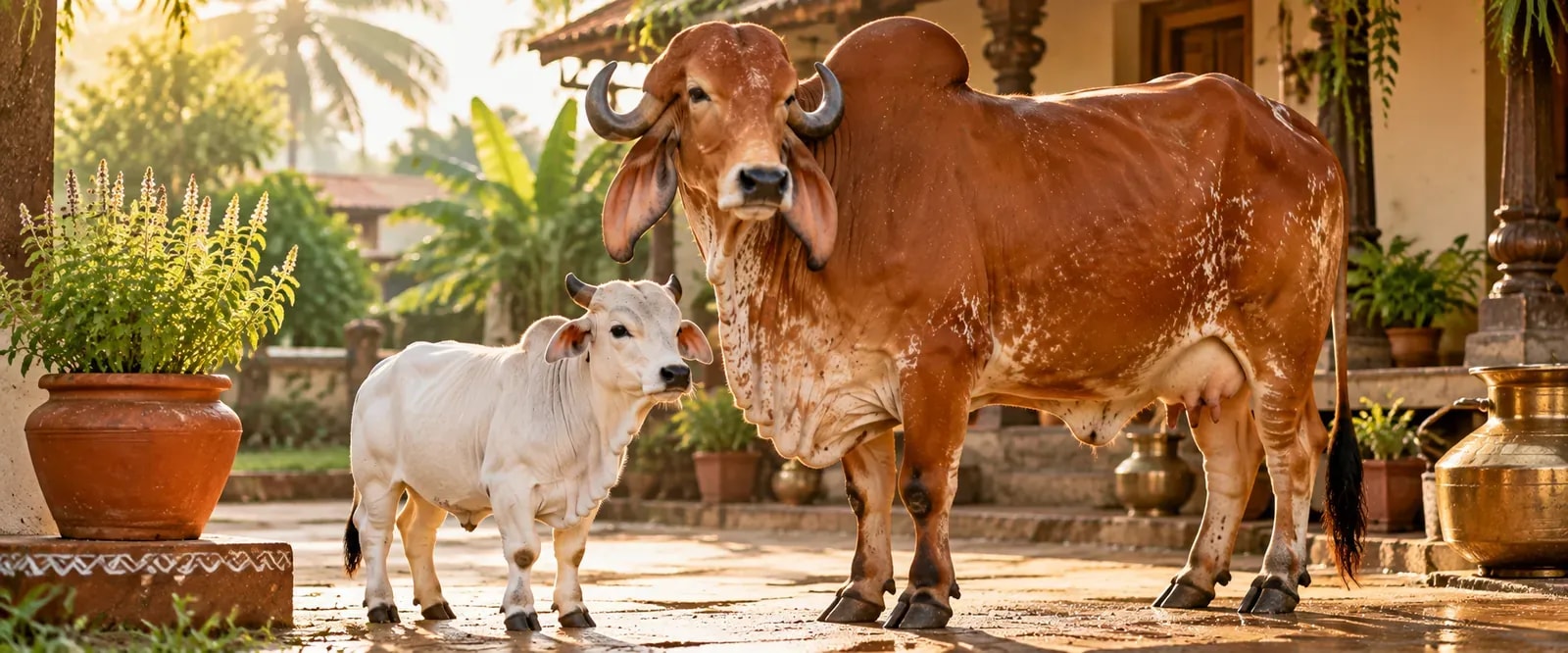
India is home to some of the smallest cattle in the world. These "mini" or "nano" cows stand barely waist-high, eat a fraction of what a regular cow eats, and give a few litres of very rich A2 milk. They have become hugely popular with small farms, gaushalas, farmhouses and families who want a cow at home.
Here are India's main small cow breeds with their height, weight, milk per day, fat % and price, and what to check before you buy one.
Quick comparison: India's small cow breeds
| Breed | Home | Height (cow) | Weight | Milk per day | Fat % | Price (approx.) |
|---|---|---|---|---|---|---|
| Punganur | Chittoor, Andhra Pradesh | 70–90 cm | 110–125 kg | 2–5 L | high (up to ~8% reported) | ₹50,000 – ₹1.5 lakh+ |
| Vechur | Kottayam, Kerala | 85–91 cm | 105–150 kg | 2–3 L | 4.7–5.8% | ₹65,000 – ₹1.1 lakh |
| Malnad Gidda | Western Ghats, Karnataka | ~90 cm | small and light | ~2 L (up to 3–4 L) | ~4% | ₹25,000 – ₹60,000 |
| Kasaragod Dwarf | Kasaragod, Kerala | ~96 cm | 160–180 kg | 2–3 L | — | ₹40,000 – ₹80,000 |
| Badri | Garhwal and Kumaon hills, Uttarakhand | small hill cow | light | 2–3 L | ~4% | ₹25,000 – ₹50,000 |
Height is at the withers (shoulder). Prices are typical 2026 ranges for healthy cows and vary a lot with age, purity and region. Show-quality and pedigree Punganur cows can sell for several lakh.
What makes a cow a "small" or "dwarf" breed?
Most Indian dairy breeds (Gir, Sahiwal, Red Sindhi) stand 120–135 cm tall and weigh 300–450 kg. The dwarf breeds are under about 100 cm and 100–180 kg, roughly a third of the size. They evolved in hilly, rainy or forest regions with limited fodder, so they are:
- Low-input: 3–5 kg of dry matter a day, compared with 10–12 kg for a large cow
- Hardy: resistant to heat, ticks and common diseases
- Long-lived: often many lactations
- Rich-milked: small yield, but high fat and solids
Scientists at Indian institutes have studied the genetics of Malnad Gidda, Punganur and Vechur together, confirming they are distinct dwarf breeds, not just small cows.
1. Punganur: India's most famous mini cow
- Origin: Punganur, Chittoor district, Andhra Pradesh
- Height: about 70–90 cm, among the shortest cattle anywhere
- Weight: around 110–125 kg
- Milk per day: typically 2–5 litres
- Fat: very high; up to about 8% has been reported, roughly double typical milk
- Colour: white or grey, light red, brown or black
- Feed: about 5 kg a day
Punganur cows became famous after appearing at temples and in national news. Demand has pushed prices up sharply. Healthy cows commonly sell for ₹50,000 – ₹1.5 lakh, while show animals cost far more. Be careful: many "Punganur" cows sold online are crosses.
👉 Full guide: Punganur cow milk per day, height and price
2. Vechur: the smallest cattle breed on record
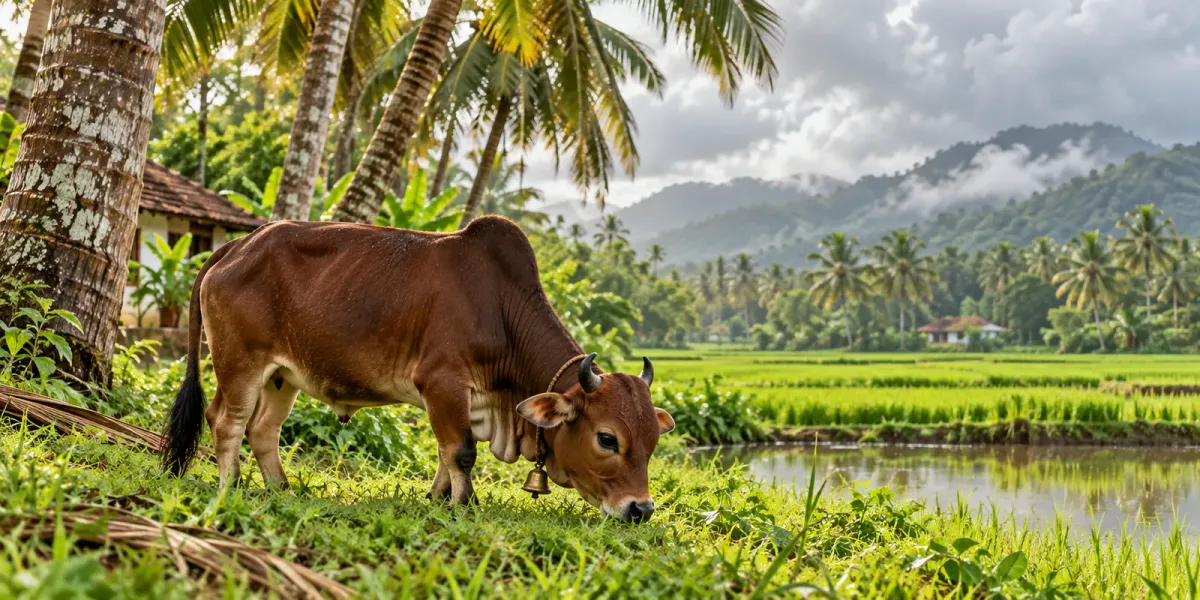
- Origin: Vechoor village, Kottayam district, Kerala
- Height: 85–91 cm
- Weight: 105–150 kg
- Milk per day: 2–3 litres, about 560 kg per lactation
- Fat: 4.7–5.8%, with small fat globules and easy digestion
- Colour: light red, black or fawn
The Vechur was close to extinction in the 1980s until a conservation effort at Kerala Agricultural University saved it. It is often described as the smallest cattle breed in the world by height-to-length ratio.
👉 Full guide: Vechur cow milk per day, price and A2 benefits
3. Malnad Gidda: the forest cow of the Western Ghats
- Origin: Shimoga, Chikkamagaluru, Uttara Kannada, Udupi and Dakshina Kannada, Karnataka
- Height: about 90 cm
- Milk per day: around 2 litres on average, up to 3–4 litres
- Fat: about 4%
- Colour: black to brown
"Gidda" means short in Kannada. These cows can survive on forest grazing alone with almost no bought feed, which makes them perfect for hilly, high-rainfall farms.
4. Kasaragod Dwarf: Kerala's other mini cow
- Origin: hill ranges of Kasaragod district, northern Kerala
- Height: cows average about 96 cm, bulls about 107 cm
- Weight: around 160–180 kg
- Milk per day: about 2–3 litres of mineral-rich milk with an excellent feed-to-milk ratio
- Status: well known locally, but not yet an officially registered breed. Efforts for registration are ongoing.
5. Badri: the hill cow of Uttarakhand
- Origin: Garhwal and Kumaon hills of Uttarakhand
- Size: small, with short straight legs, a prominent hump and a small tucked-up udder
- Milk: 550–650 kg per lactation, about 2–3 litres a day, with about 4% fat
- Colour: black, brown, red, white or grey
Badri milk and ghee are prized in Uttarakhand, and the state runs a conservation and breeding programme for the breed.
Punganur vs Vechur: which mini cow should you choose?
| Punganur | Vechur | |
|---|---|---|
| Height | 70–90 cm (shorter) | 85–91 cm |
| Milk per day | 2–5 L | 2–3 L |
| Fat % | Higher (reported up to ~8%) | 4.7–5.8% |
| Climate | Dry, hot (Andhra) | Humid, rainy (Kerala) |
| Price | Higher, with strong demand | Moderate |
| Best for | Ghee, showcase, temples | Small homesteads, humid regions |
Rule of thumb: pick the breed that comes from a climate like yours. A Vechur thrives in humid coastal heat, while a Punganur is happier in dry heat.
Is a small cow right for you?
Good fit if you:
- Have limited space (a backyard or farmhouse)
- Want 2–4 litres of rich milk for the family, or for ghee
- Want low feed and vet costs
- Run a gaushala or temple and want to conserve rare breeds
Not a good fit if you:
- Want to sell milk commercially. Yield is too low; choose Sahiwal or Gir instead.
- Can't verify purity. Many crossbreds are sold as "mini cows".
Before you buy
- Buy from a known breeder, a university farm or a registered gaushala.
- Measure height at the withers and compare it with breed standards.
- Ask for vaccination records (FMD, HS, BQ, LSD) and deworming history.
- Watch the cow being milked before paying.
- Plan the bull: breed only with a pure bull or semen of the same breed to keep the line pure.
Caring for a mini cow
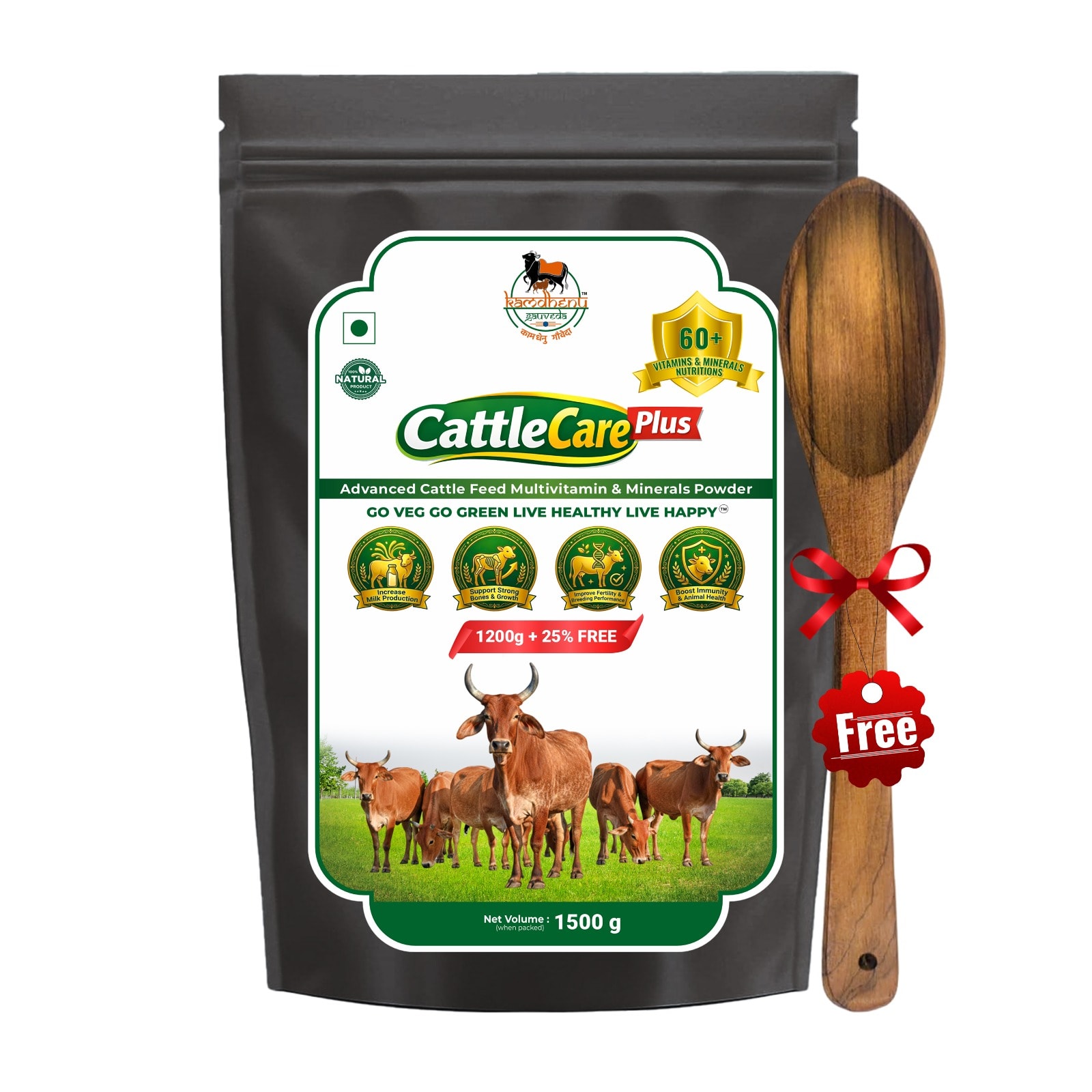
- Feed: 3–5 kg of dry matter a day (green fodder plus a little concentrate), plus a pinch of mineral mixture such as CattleCare Plus
- Water: 20–30 litres a day
- Shelter: a dry, shaded shed of about 2 m × 1.5 m per cow, with a non-slip floor
- Health: vaccinate and deworm on schedule. Small breeds are hardy, but not immune.
Rich milk, small cows, pure ghee
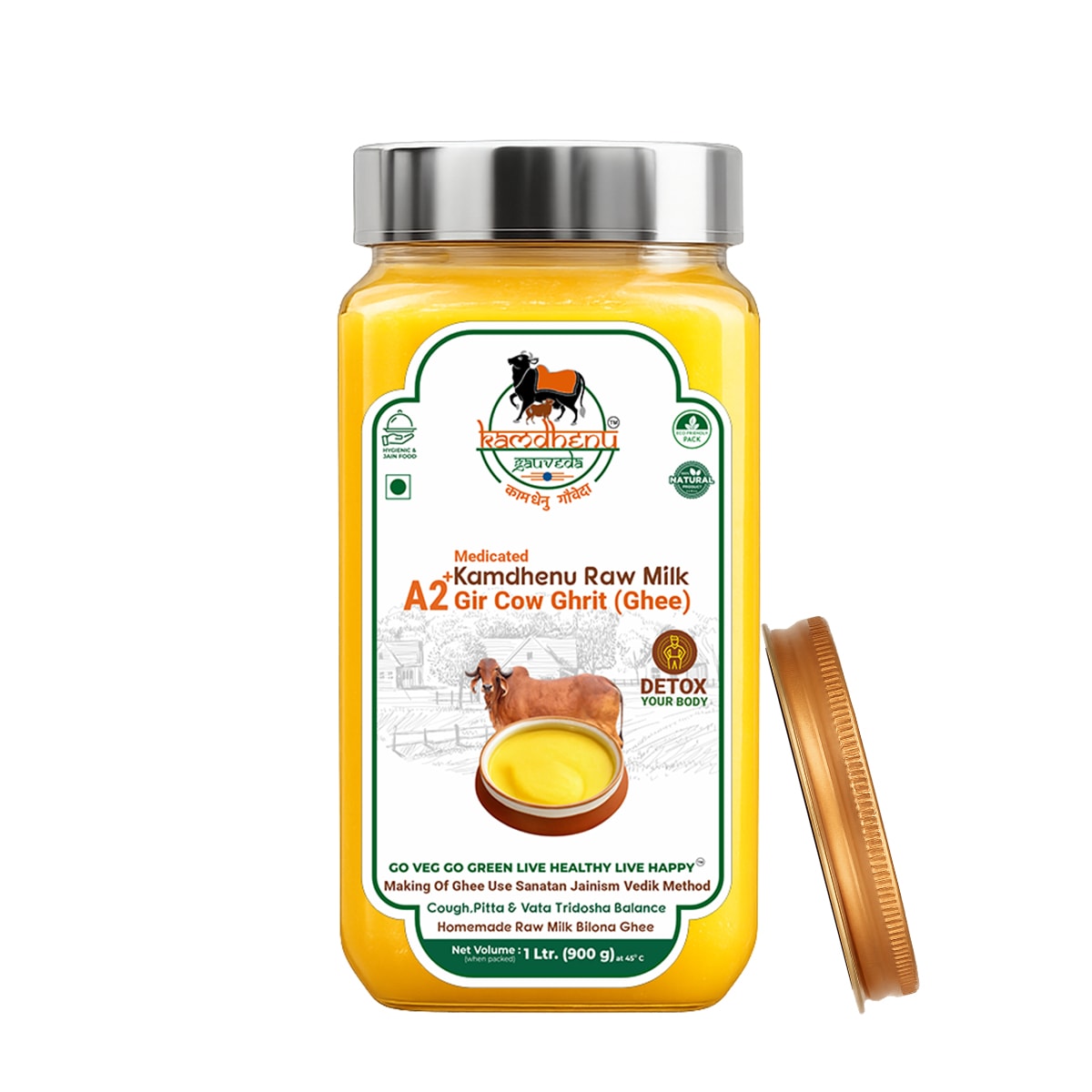
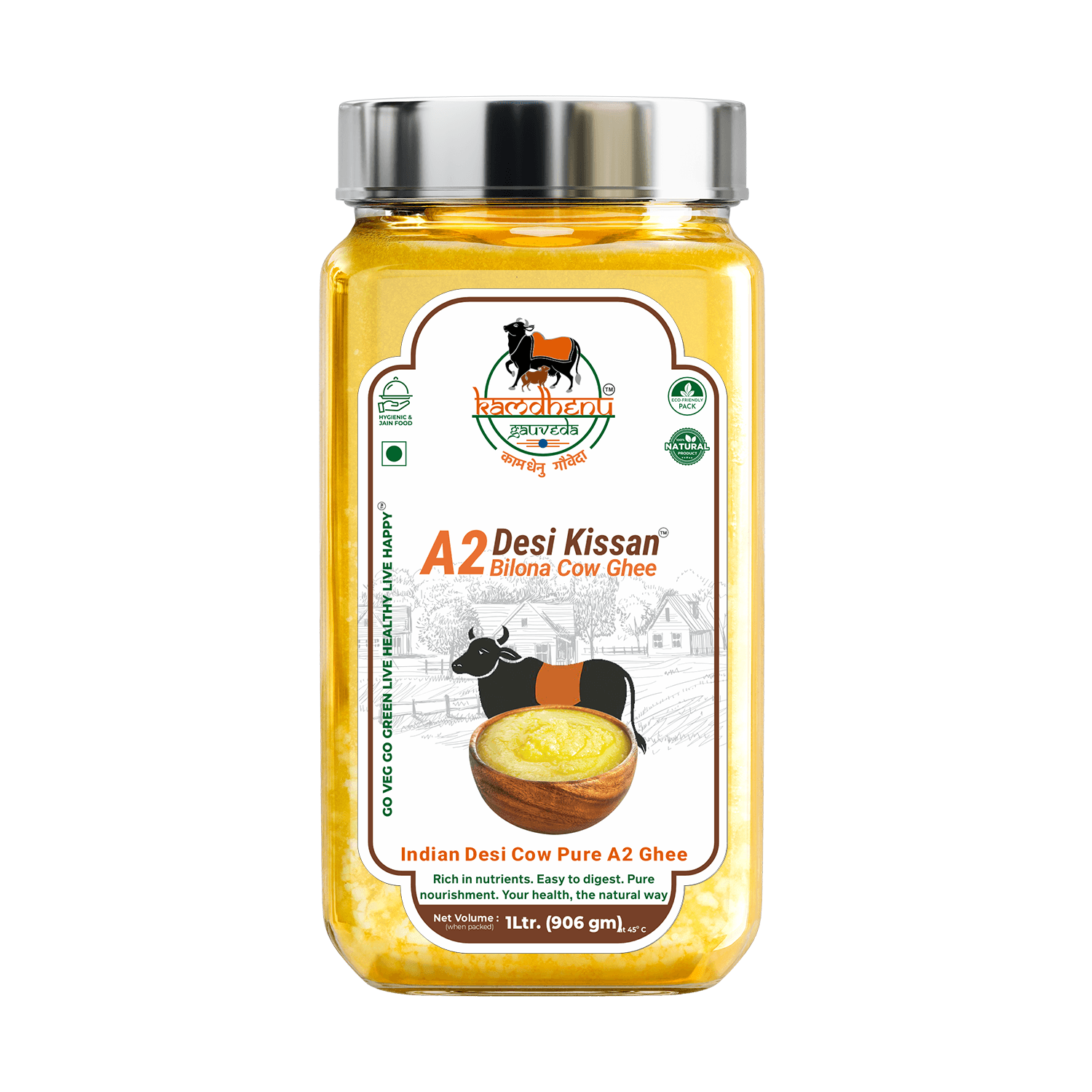
The milk of small desi cows is too precious to sell by the litre. Families turn it into bilona ghee. If you love that taste but can't keep a cow, try our A2 Gir Cow Ghee or A2 Desi Kissan Cow Ghee, made the traditional bilona way from desi cow milk.
More breed guides: Desi cow milk per day: all breeds compared · Gir cow milk per day · Sahiwal cow milk per day
Sources: Genetic identity of Malnad Gidda, Punganur and Vechur (ResearchGate) · Milk production traits in Punganur cattle · Punganur cattle · Malnad Gidda · Kasaragod Dwarf · Badri cattle) · Krishi Jagran: Vechur cow · Pachaiboomi: Punganur dwarf cows
Frequently asked questions
Which is the smallest cow breed in India?
Punganur (70–90 cm) and Vechur (85–91 cm) are India's smallest cattle breeds. Vechur is often called the world's smallest breed by its height-to-length ratio.
How much milk does a mini cow give per day?
Most Indian dwarf breeds give 2–3 litres a day. Punganur can give 2–5 litres. The milk is much richer than ordinary milk, at 4–8% fat.
What is the price of a small cow breed in India?
Usually ₹25,000 to ₹1.5 lakh depending on breed. Punganur and Vechur cost the most, and pure show-quality Punganur cows can cost several lakh.
What is a nano cow?
"Nano cow" or "mini cow" is a popular name for India's dwarf breeds, mainly Punganur and Vechur, which stand under about 90 cm tall.
Is mini cow milk A2?
Yes. Pure-bred Indian dwarf breeds like Punganur, Vechur and Malnad Gidda produce A2 milk.
Can I keep a small cow at home?
Yes, if you have a dry, shaded space of about 3 square metres, green fodder, clean water and a vet nearby. Check local rules for keeping cattle in urban areas.