
Ghee in Coffee: Benefits, Calories & How to Make It (2026 Guide)
By Shubham Jain · · A2 Ghee

Ghee in coffee might sound unusual — but this combination has quietly become a morning ritual for fitness enthusiasts, keto followers, and Ayurveda practitioners across India and beyond. Unlike a regular cup of black coffee, ghee coffee delivers sustained energy, supports gut health, and keeps hunger at bay — all without a single gram of carbs or sugar.
But is it actually healthy? Does it help with weight loss, or is that just hype? And how does it compare to butter coffee or bulletproof coffee? This guide answers all of it with real nutrition data, an easy recipe, and an honest take on who should and shouldn't try it.
What Is Ghee in Coffee?
Ghee coffee is simply: Hot black coffee blended with 1–2 teaspoons of pure desi ghee. Unlike regular coffee, it contains healthy fats that slow caffeine absorption and provide sustained energy instead of a sudden spike.
This drink is often compared to “bulletproof coffee,” but instead of butter, it uses traditional clarified butter (ghee), which has deep roots in Indian households and Ayurveda.
Why Are People Adding Ghee to Coffee?
There are three main reasons:
1️. Sustained Energy Release
The fats in ghee slow down caffeine absorption, preventing crashes.
2️. Keto & Low-Carb Diet Popularity
Ghee is rich in healthy fats and contains zero carbs, making it keto-friendly.
3️. Ayurvedic Perspective
In Ayurveda, ghee is considered a “sattvic” food that nourishes tissues, improves digestion, and supports mental clarity.
Benefits of Black Coffee With Ghee
Let’s look at what science and nutrition say.
1. Provides Long-Lasting Energy
Unlike plain coffee that may cause jitters, adding ghee:
- Slows caffeine absorption
- Supports steady energy
- Reduces sudden crashes
This makes it ideal for:
- Busy professionals
- Gym-goers
- Intermittent fasting followers
2. Supports Brain Function
Ghee contains:
- Butyric acid (short-chain fatty acid that supports gut lining)
- Omega-3 (~45mg per tsp) and Omega-6 fatty acids
- Fat-soluble vitamins A, D, E, and K
Healthy fats are essential for brain performance. Many users report better focus and concentration after consuming ghee coffee.
3. May Support Weight Management
One of the most searched queries is: “Does ghee coffee help in weight loss?”
Here’s the truth:
- Ghee increases satiety (you feel full longer)
- Reduces mid-morning cravings
- Supports fat-based metabolism (especially in keto)
However:
- It is not a magic fat-burning drink.
- Weight loss depends on overall calorie balance and lifestyle.
4. Improves Digestion
Ghee contains butyric acid, which:
- Supports gut lining health
- May reduce inflammation
- Helps nutrient absorption
This is why some Ayurveda practitioners recommend small amounts of ghee in morning beverages.
5. Ghee Coffee & Intermittent Fasting
Many people consume ghee coffee during fasting windows as it keeps insulin response minimal compared to carb or sugar-based drinks. However, it does technically break a strict water fast since it contains approximately 45–50 calories per cup. If you follow fat fasting or a flexible fasting protocol, ghee coffee can fit well. If you follow strict zero-calorie fasting, skip it or have it outside your fasting window.
Benefits of Ghee in Coffee Compared to Butter Coffee
People often confuse:
- Butter coffee
- Bulletproof coffee
- Ghee coffee
Let’s compare.
| Feature | Ghee Coffee | Butter Coffee |
| Lactose | No | May contain traces |
| Casein | No | May contain |
| Digestibility | Easier | Slightly heavier |
| Ayurveda Support | Yes | No traditional basis |
| Shelf Stability | Longer | Shorter |
Ghee is clarified and purified, making it easier to digest and more suitable for lactose-sensitive individuals.
Is A2 Ghee Better for Coffee?
Not all ghee is the same.
Cow's milk contains beta-casein protein in two variants — A1 (common in commercial breeds like Holstein) and A2 (found in indigenous breeds like Gir and Sahiwal). A2 ghee is made exclusively from A2 milk and is considered easier to digest, as A1 beta-casein has been linked to digestive discomfort in some individuals. For ghee coffee, A2 bilona ghee is the preferred choice for both taste and digestibility.
A2 cow ghee (from indigenous cows) is considered easier to digest and closer to traditional Ayurvedic preparation methods.
For coffee, you should prefer:
- Pure A2 bilona ghee
- Grass-fed desi cow ghee
- No added preservatives
High-quality ghee enhances both taste and health benefits.
The Secret to a Creamy, Nutritious Brew
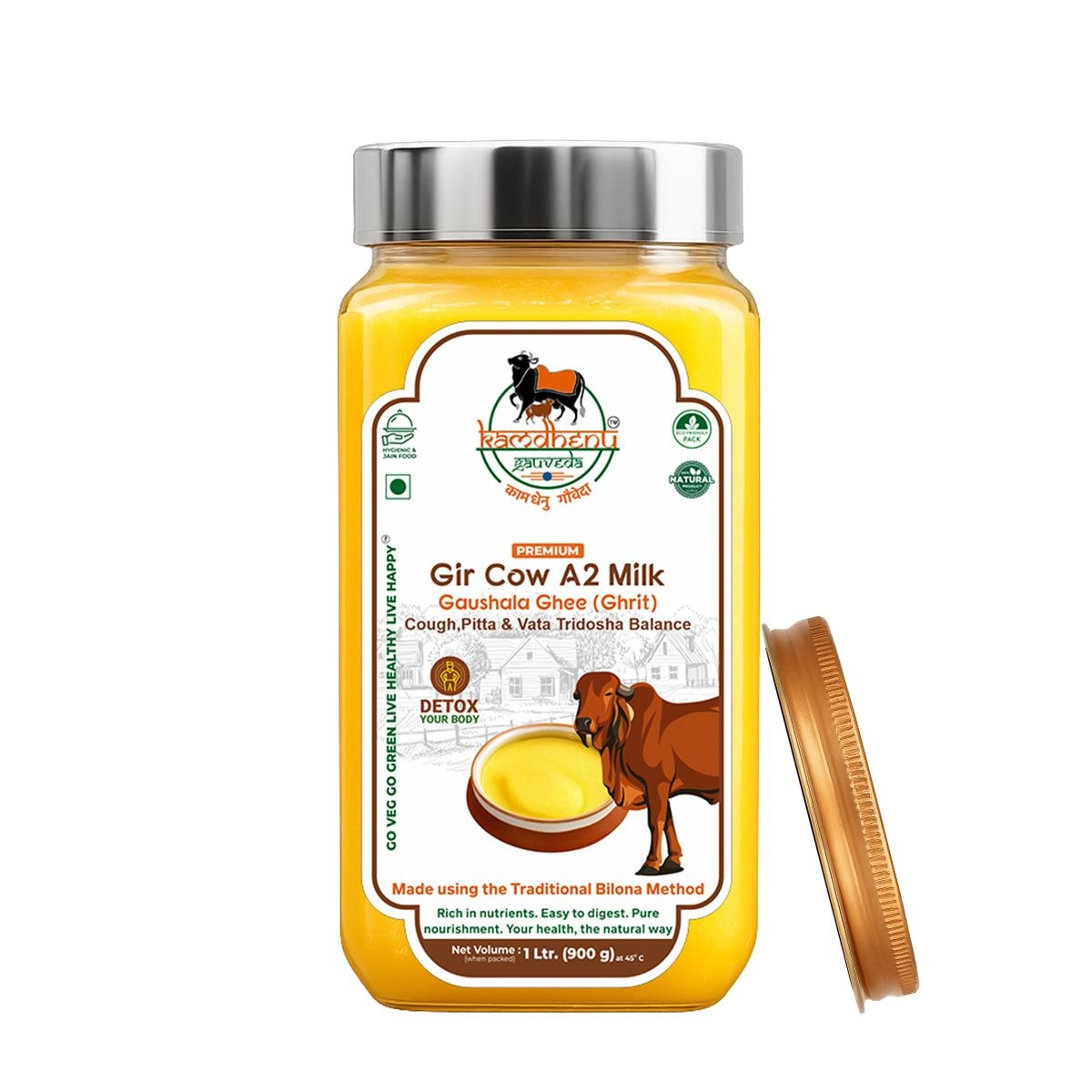
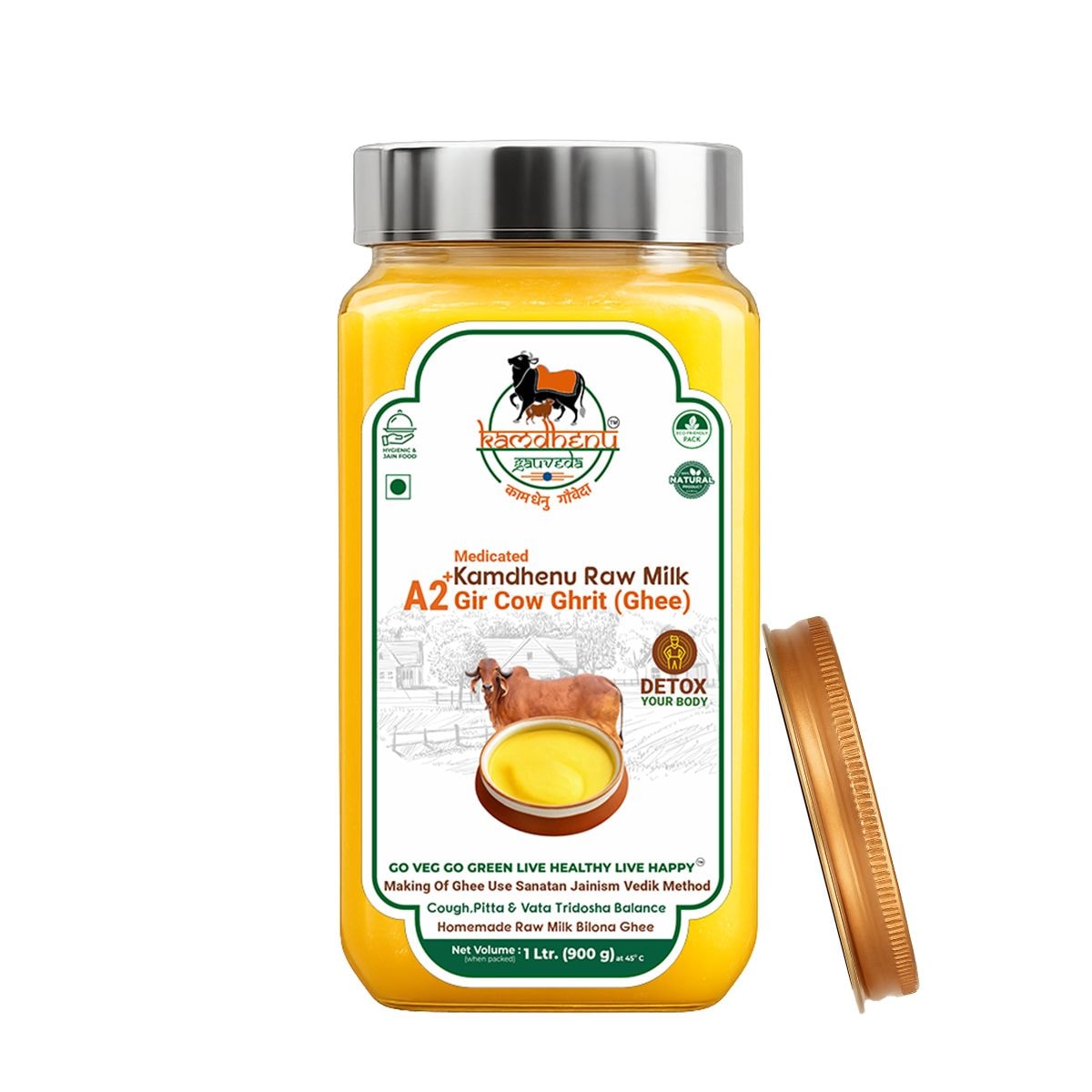
Most "oily" coffee experiences happen because of low-quality, processed ghee. For a truly frothy, Ayurvedic experience, we recommend Kamdhenu Gauveda A2 Desi Cow Ghee.
- Traditional Bilona Method: Hand-churned to preserve essential fatty acids.
- Rich in Butyrate: Supports the gut health benefits mentioned in this guide.
- Lab-Tested Purity: No additives, just pure A2 golden goodness.
[👉 Shop Kamdhenu Gauveda A2 Ghee– Elevate Your Morning Ritual]
How to Make Ghee Coffee (Step-by-Step Recipe)
Here’s the perfect method:
Ingredients:
- 1 cup hot black coffee
- 1–2 teaspoons pure desi ghee
- Optional: cinnamon or cardamom
Method:
- Brew fresh black coffee.
- Add ghee while coffee is hot.
- Blend for 15–20 seconds (important for creamy texture).
- Pour into a mug and enjoy.
Blending makes it frothy and smooth — just stirring may leave oil floating on top.
How Many Calories Are in Ghee Coffee?
| Ghee Coffee Type | Calories (Approx.) |
|---|---|
| Black coffee only | 2–5 kcal |
| Black coffee + 1 tsp ghee | ~42–45 kcal |
| Black coffee + 2 tsp ghee | ~82–90 kcal |
| Ghee coffee + cinnamon | ~85–95 kcal |
| Bulletproof coffee (butter + MCT oil) | ~230–450 kcal |
All calories in ghee coffee come purely from fat — zero carbs and zero sugar. This makes it suitable for keto and low-carb diets. If you add cinnamon or cardamom, the calorie difference is negligible.
Side Effects of Ghee in Coffee — You Should Know
While generally safe in moderation, consuming ghee coffee may cause issues for some people:
- Digestive discomfort — Too much fat on an empty stomach can cause loose stools or nausea in sensitive individuals
- Weight gain — Overconsumption (3+ teaspoons daily) adds significant calories
- High cholesterol risk — People with existing lipid issues should consult a doctor before making it a daily habit
- Acidity — Coffee itself is acidic; adding fat may worsen acidity for some
- Not suitable for strict fasting — Breaks a water or calorie-restricted fast
Safe limit: 1–2 teaspoons of ghee per cup, maximum once a day.
Ghee Coffee for Weight Loss: Truth vs Hype
Ghee coffee is not a fat-burning drink on its own. However, it can support a weight loss journey in these specific ways:
It CAN help when:
- Used as a meal replacement in the morning (reduces overall calorie intake)
- Combined with intermittent fasting (delays hunger without spiking insulin)
- It replaces a high-calorie, sugar-loaded breakfast drink
It will NOT help when:
- Added on top of a full breakfast
- Consumed in large quantities (2+ tablespoons)
- Used without controlling overall diet
Verdict: Ghee coffee is a tool, not a solution. Used smartly within a calorie-controlled diet, it can support weight management — but it cannot replace diet and exercise.
Common Myths About Coffee in Ghee
❌ Myth 1: It Makes You Gain Weight Instantly
Truth: Weight gain depends on total calorie intake.
❌ Myth 2: It Is Only for Keto Diet
Truth: Even non-keto individuals can consume it in moderation.
❌ Myth 3: It Tastes Oily
Truth: When blended properly, it tastes creamy and rich.
Does Ghee Coffee Actually Work?
The answer depends on your goal.
If you want:
- Stable morning energy → Yes
- Appetite control → Yes
- Miracle fat loss → No
It is a supportive drink, not a shortcut solution.
Best Time to Drink Ghee Coffee
- Morning on empty stomach
- Before workout
- During intermittent fasting
Avoid consuming it late evening as caffeine may disturb sleep.
Final Verdict: Should You Try Ghee in Coffee?
If you are:
✔ Looking for sustained energy
✔ Practicing intermittent fasting
✔ Following keto
✔ Exploring Ayurvedic lifestyle
Then ghee coffee is worth trying. But always choose pure, traditionally prepared desi cow ghee to maximize benefits.
Frequently asked questions
Can I drink black coffee with ghee every day?
Yes, in moderation (1–2 teaspoons), if it fits your calorie needs.
Does ghee coffee break fasting?
Yes, ghee coffee contains approximately 45–50 calories per cup (1 tsp ghee), so it technically breaks a strict water fast. However, since those calories come entirely from fat with zero carbs or sugar, insulin response remains very low. Many people following fat fasting or flexible intermittent fasting protocols include it without issue. If you follow strict zero-calorie fasting, avoid it during your fasting window.
How much ghee should I add to coffee?
Start with 1 teaspoon and adjust based on tolerance.
Is ghee better than butter in coffee?
For digestibility and traditional value, yes.
Is ghee coffee good for weight loss?
yes. Ghee coffee increases satiety and reduces cravings, which can help control overall calorie intake. However, it is not a fat-burning drink. Weight loss depends on your total diet and lifestyle.
Can I drink ghee coffee on empty stomach?
Yes, many people drink it on an empty stomach during intermittent fasting. However, if you have a sensitive stomach, start with half a teaspoon and gradually increase. Avoid it if you experience acidity or nausea.
Pure A2 bilona ghee from our gaushala
Shop A2 ghee →
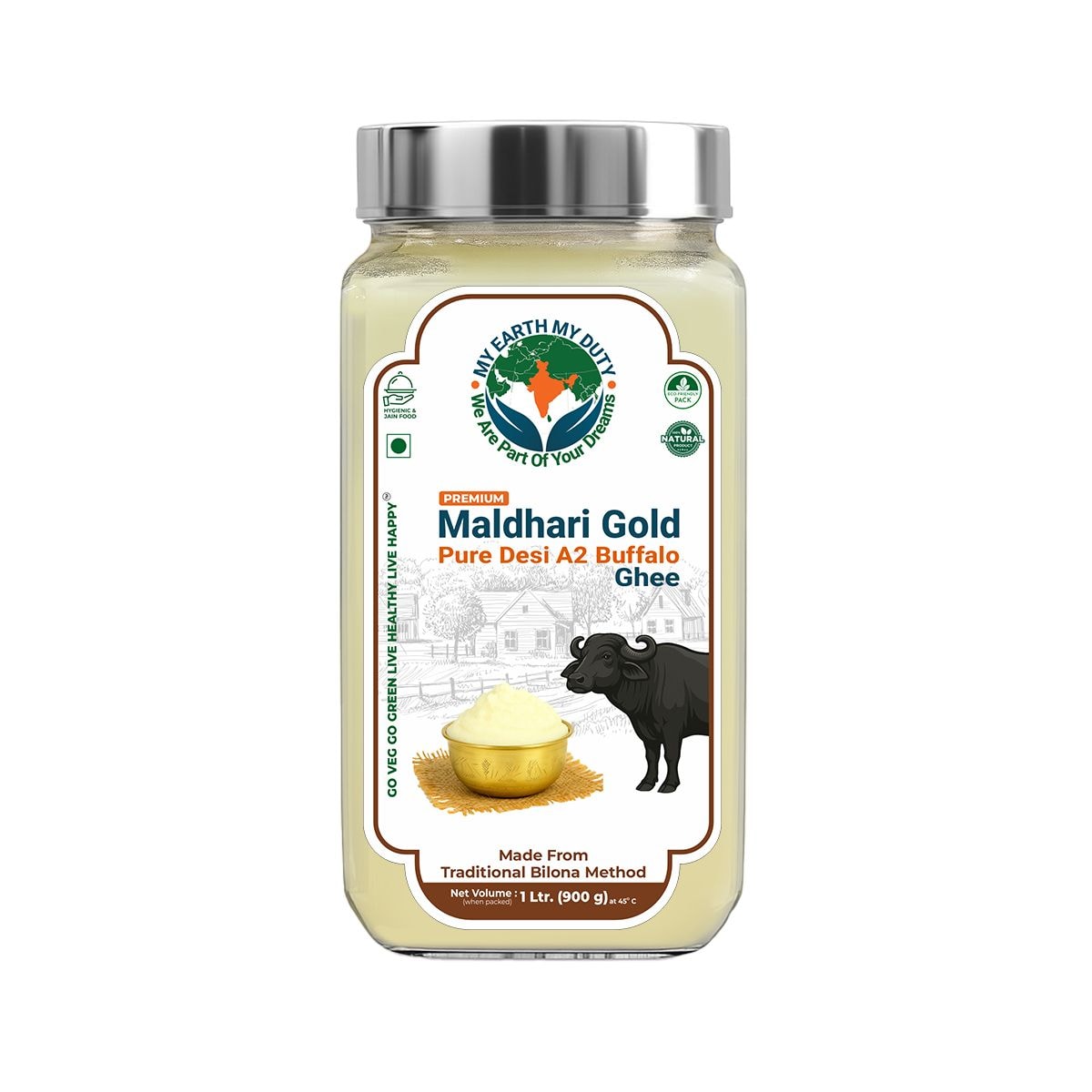
Desi A2 Buffalo Ghee – Pure Bilona Buffalo Ghee 1kg Price
₹1,500.00₹3,000.0050% off