
Saffron vs Camphor vs Multani Mitti Soap: Which Handmade Soap Is Right for Your Skin?
By Kamdhenu Gauveda Team · · Natural Skin Care
Walk into any Indian bathroom and you'll find a soap chosen for its fragrance or its ad. But kesar (saffron), kapoor (camphor) and multani mitti (Fuller's earth) each do a different job on your skin. Pick the wrong one and you'll end up with tight, dry skin in winter or an oily face by noon in summer.
This guide compares all three side by side so you can match the soap to your skin type, season and skin concern.
Quick comparison
| Saffron (Kesar) Soap | Camphor (Kapoor) Soap | Multani Mitti Soap | |
|---|---|---|---|
| Main job | Brighten and even skin tone | Cool, soothe itching, fight sweat-related skin issues | Absorb oil, deep-clean pores |
| Best for skin type | Normal, dry, dull | Normal, oily, sweaty | Oily, combination, acne-prone |
| Top concerns | Dullness, tan, dark spots | Prickly heat, itching, body acne, body odour | Excess oil, blackheads, pimples |
| Feel after bath | Soft, smooth | Instant cooling, fresh | Clean, matte |
| Best season | Winter, all year | Summer, monsoon | Summer, humid months |
| Use on face? | Yes | Body first. Patch-test before face | Yes (2–3x a week if dry-prone) |
| Avoid if | Allergic to saffron | Broken skin, eczema flare, babies | Very dry or flaky skin |
| Kamdhenu Gauveda price (100 g) | ₹190 | ₹160 | ₹160 |
Short answer:
- Oily, acne-prone face? Go with multani mitti.
- Summer sweat, itching or body acne? Use camphor.
- Dull skin or tan, or you want a glow? Choose saffron.
Saffron (Kesar) Soap: for brightness and glow
Saffron has been part of Indian beauty routines for centuries, from kesar-chandan ubtan before weddings to kumkumadi tailam. In a soap, it's mainly a brightening and conditioning ingredient.
Benefits of saffron soap
- Evens skin tone. Saffron is valued for improving dullness and uneven pigmentation over regular use.
- Gentle on dry skin. Saffron soaps are usually made on a moisturising base, so they suit normal-to-dry skin better than clay or camphor bars.
- Antioxidant support. Saffron contains crocin and safranal, antioxidants studied for their protective effects on skin.
- Fragrance and feel. A warm, luxurious scent that makes a daily bath feel special.
Who should use it: people with normal, dry or dull skin, anyone dealing with tan, and anyone who wants a gentle everyday face and body soap.
Who should skip it: anyone allergic to saffron. If you have very oily skin, saffron alone may not control shine, so alternate it with multani mitti.
👉 Shop Saffron Natural Handmade Soap
Camphor (Kapoor) Soap: for cooling and itch relief
Camphor is best known as the kapoor in your aarti thali, but it's also a long-used cooling, antibacterial and antifungal ingredient in skin care. Our soap uses Bhimseni camphor, the purer, naturally derived form, rather than synthetic camphor.
Benefits of camphor soap
- Instant cooling. That tingle helps on hot, sticky days and after workouts.
- Fights itching and fungal trouble. Camphor's antifungal and antibacterial properties help with sweat-related itching, prickly heat and body acne.
- Controls body odour. It keeps odour-causing bacteria in check in sweat-prone areas.
- Relaxes tired muscles. The warming-cooling effect feels soothing after a long day.
Camphor soap side effects and safety Camphor is safe for most adults in low concentrations on intact skin, but:
- Don't use it on broken, cut or freshly waxed skin. Camphor is absorbed more easily through damaged skin.
- Keep it away from the eyes. Rinse well if you use it on the face.
- Not for babies or small children.
- Mild tingling is normal. Redness, burning or rash isn't. Stop using it if that happens.
- Patch-test first if you have sensitive skin or eczema.
Who should use it: people with oily or sweaty skin, anyone who gets prickly heat or body acne, gym-goers, outdoor workers, and anyone in summer or monsoon.
Multani Mitti Soap: for oil control and clear pores
Multani mitti (Fuller's earth) is the original Indian face pack, a mineral-rich clay that soaks up oil and pulls dirt out of pores. In soap form you get that clay-mask effect in a daily wash.
Benefits of multani mitti soap
- Absorbs excess oil. Clay binds to sebum, so your face stays matte for longer.
- Helps prevent pimples and blackheads. Clean pores mean fewer breakouts.
- Mild exfoliation. It helps remove dead skin for a smoother, brighter look.
- Cooling. It's traditionally used to calm heat rashes.
Our bar also includes aloe vera and honey to stop the clay from over-drying, and lemon for a brighter look.
Who should use it: oily, combination and acne-prone skin, and anyone in a hot, humid climate.
Who should be careful: people with very dry or flaky skin should use it 2–3 times a week, not daily, and moisturise afterwards.
👉 Shop Multani Mitti Natural Handmade Soap
Which soap for which skin concern?
| Your concern | Best pick | Runner-up |
|---|---|---|
| Oily face, shine by noon | Multani Mitti | Camphor |
| Pimples on face | Multani Mitti | Charcoal soap |
| Back or body acne | Camphor | Multani Mitti |
| Prickly heat (ghamoriyan) | Camphor | Multani Mitti |
| Sweat itching, body odour | Camphor | Neem soap |
| Dull skin, tan | Saffron | Honey besan soap |
| Dark spots | Saffron | Honey besan |
| Dry skin in winter | Saffron | Aloe vera soap |
| Sensitive skin | Saffron (patch test) | Aloe vera |
Can you use more than one?
Yes, and many people should. Your face and body often need different things, and so do summer and winter.
A simple routine that works for most Indian skin:
- Summer: camphor soap for the body, multani mitti for the face.
- Monsoon: camphor soap for the body (fungal-prone areas), multani mitti 3x a week for the face.
- Winter: saffron soap for face and body, multani mitti once a week for oily patches.
Why handmade soaps over regular bars?
Most supermarket "beauty bars" are mainly synthetic detergents (syndets) with added fragrance. Handmade soaps like ours use a natural soap base with real botanicals: real Bhimseni camphor, real multani mitti, aloe vera and honey. The cleaning feels milder and the ingredient list is shorter and easier to understand.
Explore the full range of handmade soaps, including neem, charcoal, coffee, rose and palash.
Sources: WebMD: Camphor · Healthline: What is camphor? · PMC: Camphor in skin infection therapy · BeBeautiful: multani mitti soap benefits
Frequently asked questions
Which is better, saffron soap or multani mitti soap?
It depends on your skin. Multani mitti is better for oily and acne-prone skin because it absorbs oil. Saffron soap is better for dull, dry or tanned skin because it brightens and stays gentle.
Can I use camphor soap on my face every day?
It's best used on the body. If you use it on your face, patch-test first, avoid the eye area, and stop if you notice burning or redness. Never use it on broken skin.
Is multani mitti soap good for dry skin?
Use it sparingly. Multani mitti absorbs oil, so people with dry skin should limit it to 2–3 times a week and moisturise afterwards.
Does saffron soap really make skin fair?
Saffron soap can help with dullness, tan and uneven tone over regular use, giving a brighter, healthier look. No soap changes your natural skin colour.
Which soap is best for summer in India?
Camphor soap for the body (cooling, sweat and itch control) and multani mitti soap for an oily face are the best summer combination.
Is camphor soap good for pimples?
Yes for body acne. Camphor's antibacterial action helps with sweat-related breakouts. For facial pimples, multani mitti or charcoal soap is usually a better first choice.
Shop the products in this article
Shop all →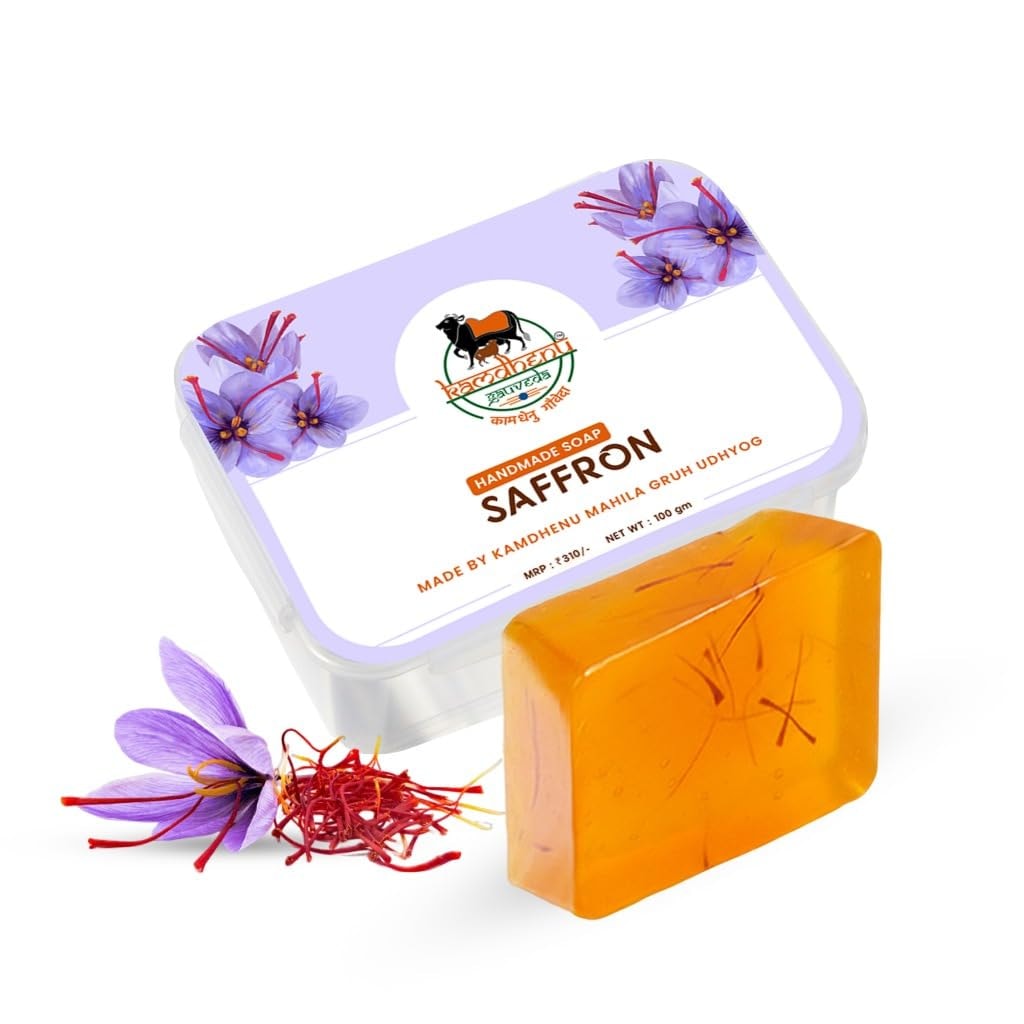
Saffron Natural Handmade Soap
₹190.00₹290.0034% off
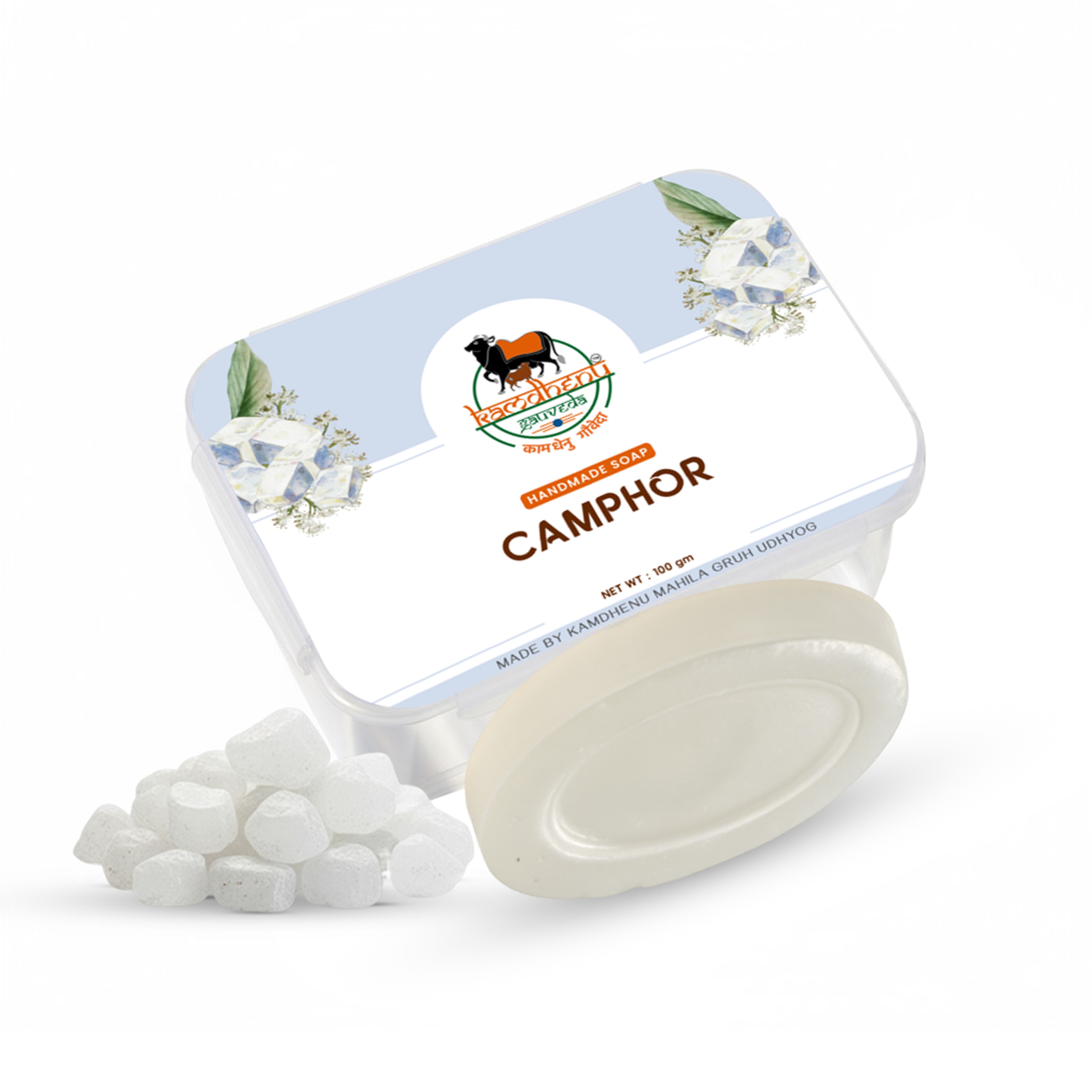
Camphor Handmade Soap
₹160.00₹240.0033% off
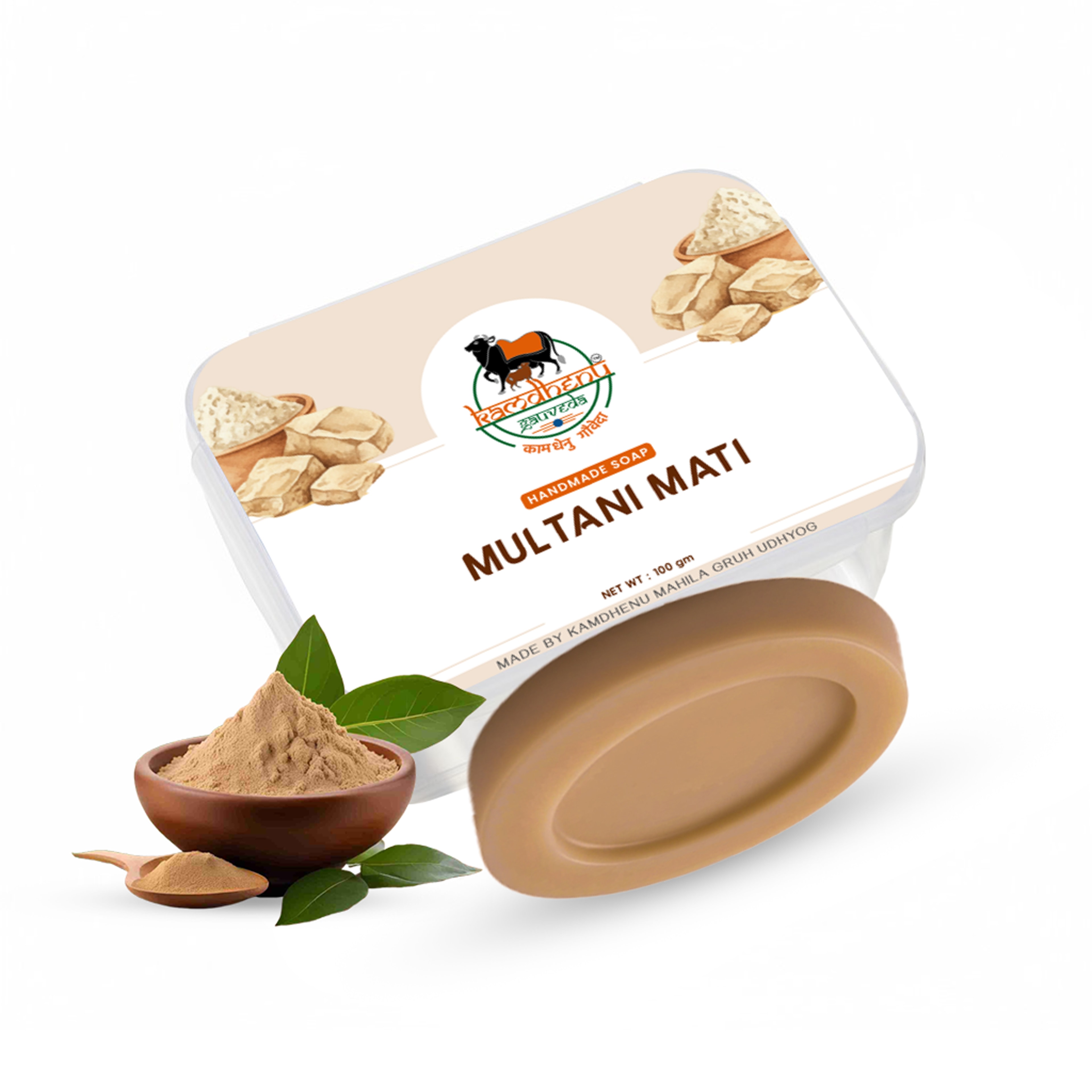
Multani Mitti Natural Handmade Soap
₹160.00₹240.0033% off
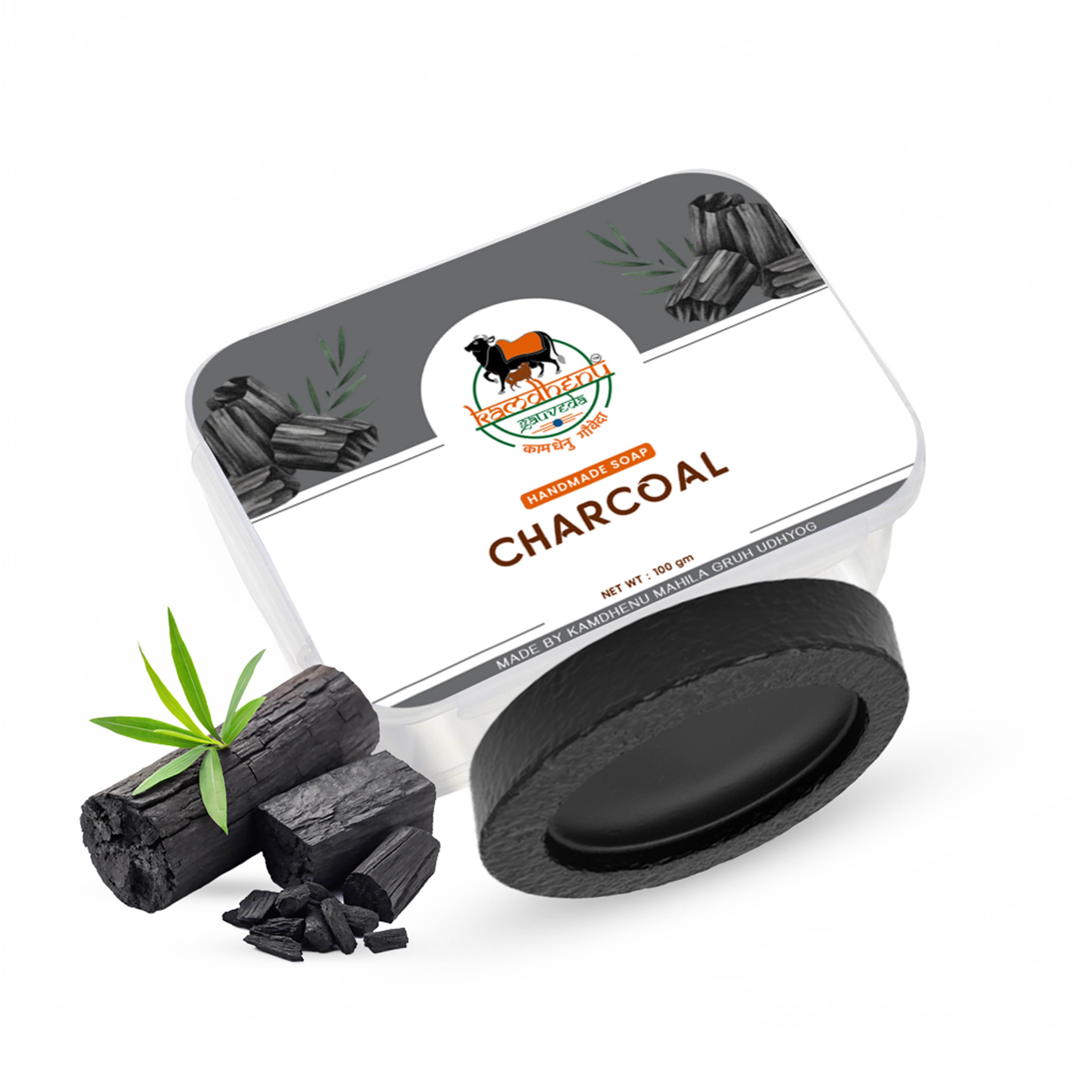
Charcoal Handmade soap
₹160.00₹240.0033% off