Gaumutra Economics: How Cow Urine Can Make a Gaushala Financially Independent (₹4 to ₹400 a Litre)
By Kamdhenu Gauveda Team · · गौसेवा एवं ग्रामीण विकास
Towards cow financial independence: why the future of gau seva depends on what a gaushala makes, not just what it receives.
Most gaushalas in India run on donations. A NITI Aayog task force on gaushalas found that donations account for up to 82% of their income in some states. Feed, fodder and veterinary bills arrive every month, but donations don't. When a festival season is weak or a big donor steps back, the cows feel it first.
Every gaushala sits on a resource it pours down the drain every day: gaumutra (cow urine). Collected properly and turned into products farmers and households actually buy, it can move a gaushala from charity toward a business that pays for its own cows.
This guide covers the numbers. It shows how much gaumutra a herd produces, what it sells for at each step of value addition, what it costs, and what licences you need.
Quick answer: the gaumutra value ladder
| Stage | Product | Typical price realised* | Who buys it |
|---|---|---|---|
| 1. Raw | Fresh gaumutra, collected | ₹4–₹10 / litre (Chhattisgarh and UP government purchase rates) | Processing units, natural-farming groups |
| 2. Farm input | Jeevamrit, Brahmastra, Agniastra (bio-pesticide) | ~₹40–₹45 / litre (Chhattisgarh gauthan sales) | Organic and natural farmers |
| 3. Household | Gaumutra phenyl / floor cleaner | ₹80–₹150 / litre | Homes, temples, ashrams |
| 4. Bulk graded | Filtered "organic gaumutra" | ~₹100 / litre (B2B listings) | Ayurvedic and cosmetic makers |
| 5. Distilled | Gaumutra ark (Ayurvedic, licensed) | ₹200–₹400+ / litre equivalent | Retail via pharmacies and e-commerce |
*Prices vary by state, quality and channel. Government figures are cited below. Retail figures are indicative.
The takeaway: the same litre can earn ₹4 or ₹400. The difference is processing, packaging, licensing and a buyer.
Why gaushalas struggle financially
A gaushala's biggest problem isn't that it lacks cows or care. It has one income source and many fixed costs.
- Fixed costs: green and dry fodder, concentrate feed, mineral mixture, vet visits, staff wages, electricity, water.
- Unproductive animals: many gaushalas shelter old, dry or male cattle that give no milk, so milk alone can't fund them.
- Donation volatility: income spikes around Gau Ashtami, Makar Sankranti and Navratri, then drops for months.
NITI Aayog's recommendation was direct: gaushalas should turn cattle by-products (dung and urine) into organic manure, bio-pesticides, biogas and other products and link with the natural-farming movement. That's what "financial independence" means for a cow shelter.
Related: GOBARdhan Yojana 2026: the ₹23,731 crore opportunity for gaushalas covers the cow-dung side of the same story.
How much gaumutra does a gaushala actually produce?
A commonly cited average is about 13 litres of urine per cow per day. Desi breeds vary by size, feed and water intake, and you won't collect all of it. Assume 5–8 litres collectable per cow per day unless your sheds have proper drainage.
| Herd size | Collectable gaumutra/day (at ~6 L/cow) | Per month |
|---|---|---|
| 25 cows | ~150 L | ~4,500 L |
| 100 cows | ~600 L | ~18,000 L |
| 200 cows | ~1,200 L | ~36,000 L |
Collection is the real bottleneck. On a kaccha floor, most urine soaks into the ground. Gaushalas that earn from gaumutra almost always have:
- Sloped pucca flooring leading to a drain channel
- A covered collection tank (plastic or cement, away from sunlight)
- Separate morning collection. Many processors prefer the first urine of the morning from healthy, non-pregnant, desi cows.
- Basic filtration (cloth, then mesh) before storage
The math: what 100 cows' gaumutra can earn
Assume ~600 litres/day collected, sold at different levels of value addition. These are gross revenue figures before input costs.
| If you sell as… | Rate | Daily | Monthly (30 days) |
|---|---|---|---|
| Raw gaumutra | ₹5/L | ₹3,000 | ₹90,000 |
| Jeevamrit / Brahmastra (assume 50% of volume) | ₹40/L | ₹12,000 | ₹3.6 lakh |
| Phenyl (100 L/day of finished product) | ₹80/L | ₹8,000 | ₹2.4 lakh |
These figures assume you can sell that volume. In practice, demand, not supply, is the limit. A gaushala with 600 litres a day doesn't need 600 litres of buyers on day one. It needs a few dependable buyers: a farmer producer organisation (FPO), a natural-farming cluster, a temple trust buying phenyl, or a licensed ark maker buying in bulk.
At a larger scale, a report on Uttar Pradesh's self-reliant gaushala push estimated that a 200-cow gaushala that adds value to milk, dung and urine together (biogas, organic manure, natural-farming inputs and cow-based products) could generate close to ₹2 crore a year. Treat that as a ceiling to work toward, not a starting point.
Five gaumutra products a gaushala can make, from easiest to hardest
1. Jeevamrit (liquid bio-fertiliser)
Recipe basis: cow dung + gaumutra + jaggery + pulse flour + a handful of soil, fermented 48–72 hours. Why start here: low investment (drums and a shaded space), proven demand from natural farmers, and government support in several states. Proof it works: under Chhattisgarh's Godhan Nyay Yojana, gaumutra bought at ₹4/litre became 24,547 litres of Brahmastra and 16,722 litres of Jeevamrit. Sales of 34,085 litres brought ₹14.75 lakh to women's self-help groups, roughly ₹43 a litre, about ten times the raw price.
2. Brahmastra / Agniastra (natural pest repellents)
Gaumutra boiled or fermented with neem, karanj, custard-apple, papaya and guava leaves (Brahmastra), or with chilli, garlic and tobacco (Agniastra). It's sold to the same farmers as jeevamrit, so one buyer, two products.
3. Gaumutra phenyl and floor cleaner
Distilled or filtered gaumutra blended with pine oil and neem oil. This brings in urban household customers, not just farmers, and temples and ashrams buy it in bulk. Get the formulation tested, label it honestly, and don't make unproven "kills 99.9% germs" claims.
4. Graded / filtered gaumutra for manufacturers
Some Ayurvedic, cosmetic and agri-input companies buy filtered gaumutra in bulk. You need consistent quality (desi breed only, no medicated animals, clean storage) and paperwork that shows where it came from.
5. Gaumutra ark (distillate)
The highest value per litre, and the most regulated. Gaumutra ark is sold as an Ayurvedic preparation, so manufacturing for sale generally needs a licence under the Drugs and Cosmetics Act (through your state AYUSH licensing authority), a compliant facility, and proper labelling. Most gaushalas do better supplying raw gaumutra to a licensed ark maker than building their own unit.
What does science say about gaumutra?
Be honest with your buyers, because trust is what makes this a business.
- The patent is real. CSIR holds US Patent 6,410,059 (granted 2002) for a pharmaceutical composition combining cow urine distillate with an antibiotic. Researchers found the distillate acted as a bio-enhancer, increasing the effect of some antibiotics and antifungals in lab studies.
- The patent is often misquoted. It is not a patent for cow urine as a standalone medicine, and fact-checkers have repeatedly corrected WhatsApp forwards claiming otherwise.
- The farming case is stronger. Jeevamrit and gaumutra-based pest repellents are central to natural farming as promoted by state governments.
For a gaushala, the agricultural and household products are the safest and most scalable path. Leave medical claims to licensed Ayurvedic manufacturers and their regulators.
Licences and compliance checklist
| Product | What to check |
|---|---|
| Jeevamrit / organic manure for sale | State agriculture department; organic fertilisers may fall under the Fertiliser (Control) Order |
| Bio-pesticide (Brahmastra etc.) | Insecticides Act registration applies to commercial bio-pesticides. Many gaushalas sell through FPOs or government programmes instead |
| Phenyl / floor cleaner | GST registration, honest labelling, BIS norms if claiming disinfectant grade |
| Gaumutra ark | AYUSH / Drugs & Cosmetics Act manufacturing licence |
| Any product | FSSAI does not cover these. Don't print an FSSAI logo on non-food items |
This is a starting checklist, not legal advice. Rules differ by state, so confirm with your district agriculture officer or AYUSH office.
A 90-day plan to start
- Weeks 1–3: Fix flooring and drainage in one shed, install a covered tank, and start measuring daily litres.
- Weeks 4–6: Make jeevamrit in 200-litre drums. Give free samples to 5–10 local natural farmers and record their feedback.
- Weeks 7–9: Fix a price (₹30–₹50/L locally), register with your nearest FPO or KVK, and list on local WhatsApp farmer groups.
- Weeks 10–12: Add a second product (Brahmastra or phenyl) for the same buyers. Approach one licensed ark maker for bulk supply.
Track three numbers every month: litres collected, litres sold, and revenue per cow. When revenue per cow covers feed cost per cow, your gaushala is on its way to independence.
Where Kamdhenu Gauveda fits
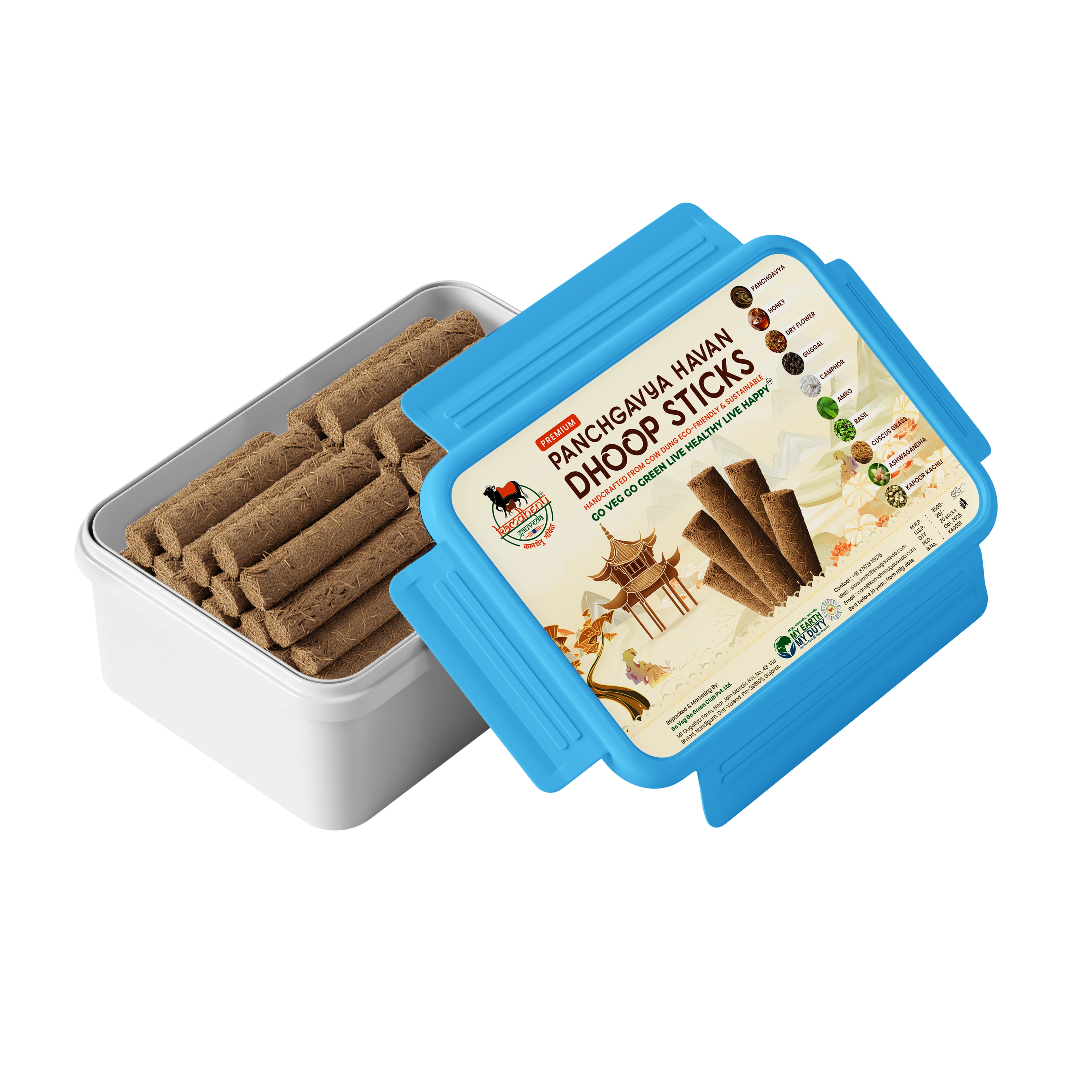
At Kamdhenu Gauveda we work with desi-cow by-products every day. Our natural cow dung dhoop sticks, Panchgavya havan dhoop sticks and Sambrani havan cups are made from desi cow dung, which shows that cow-based products can compete on quality, not just sentiment. Each one helps build an economy where cows pay for their own care.
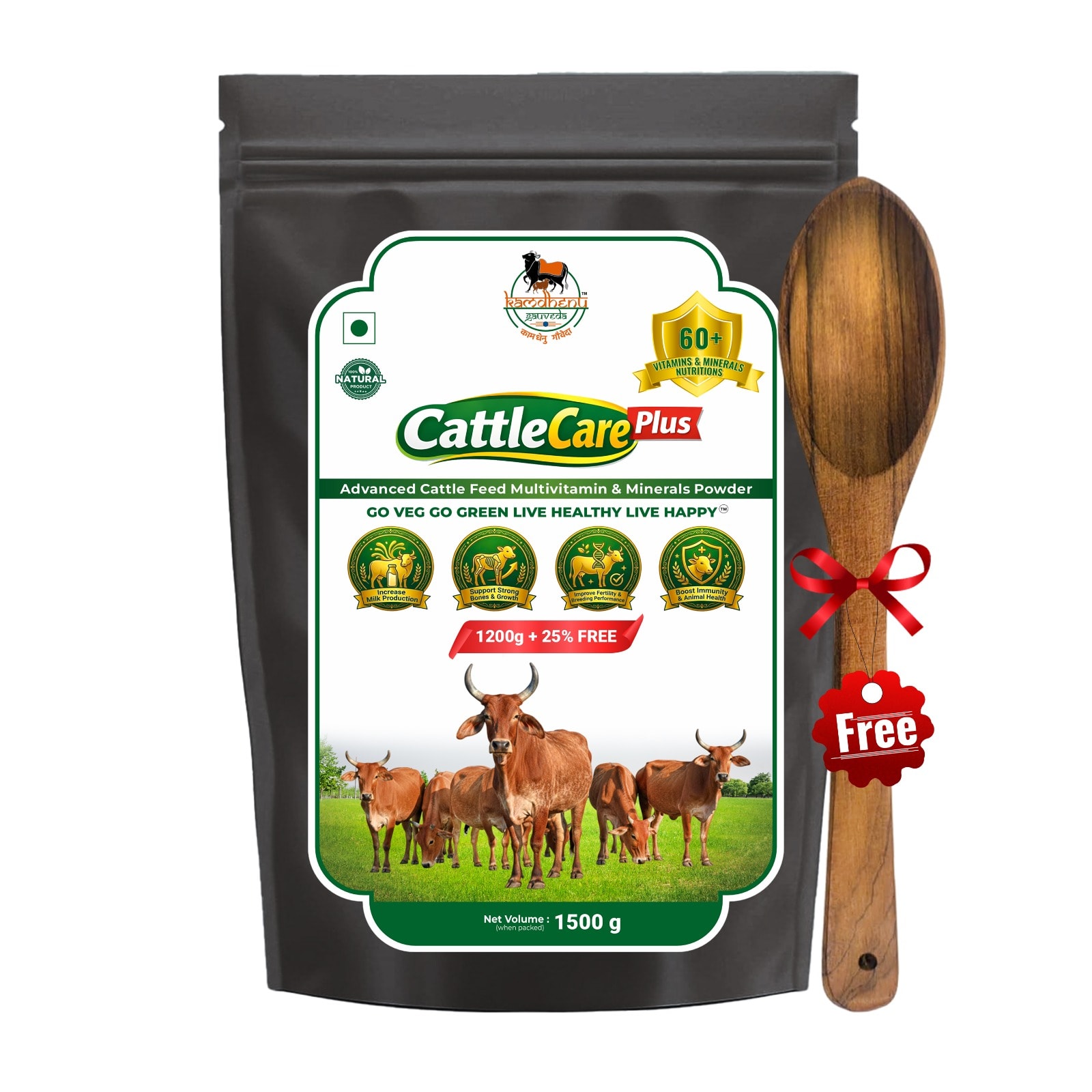
Raising desi cows? Read our guides on Sahiwal cow milk per day and Gir cow A2 ghee, and keep your herd healthy with CattleCare Plus feed supplement.
Sources: NITI Aayog Gaushala Task Force report · Godhan Nyay Yojana · Drishti IAS: cow urine procurement · Free Press Journal: UP cow urine ₹10/litre · US Patent 6,410,059 · PMC: cow urine distillate as bioenhancer
Frequently asked questions
Is gaumutra business profitable?
It can be, if you add value. Raw gaumutra sells for only ₹4–₹10 a litre, but processed into jeevamrit or bio-pesticide it has fetched around ₹40+ a litre through government-backed programmes. The main limits are collection infrastructure and finding steady buyers.
What is the price of gaumutra per litre in India?
Government procurement has been ₹4/litre (Chhattisgarh) to about ₹10/litre (Uttar Pradesh pilots). Filtered bulk gaumutra is listed at around ₹100/litre B2B, and distilled ark sells for several hundred rupees per litre at retail.
How much gaumutra does one cow give per day?
On average about 13 litres, though a gaushala typically collects 5–8 litres per cow without proper drainage.
Do I need a licence to sell gaumutra ark?
Yes. Ark is an Ayurvedic preparation and generally needs a manufacturing licence under the Drugs and Cosmetics Act from your state AYUSH authority.
What products can be made from gaumutra?
Jeevamrit, Brahmastra and Agniastra (farm inputs), phenyl and floor cleaner, filtered gaumutra for manufacturers, and distilled gaumutra ark.
How can a gaushala become self-sufficient?
Diversify beyond donations. Combine milk and ghee, cow-dung products (dhoop, manure, biogas, dung cakes) and gaumutra products, and sell through farmers' groups, local retail and online.
Shop the products in this article
Shop all →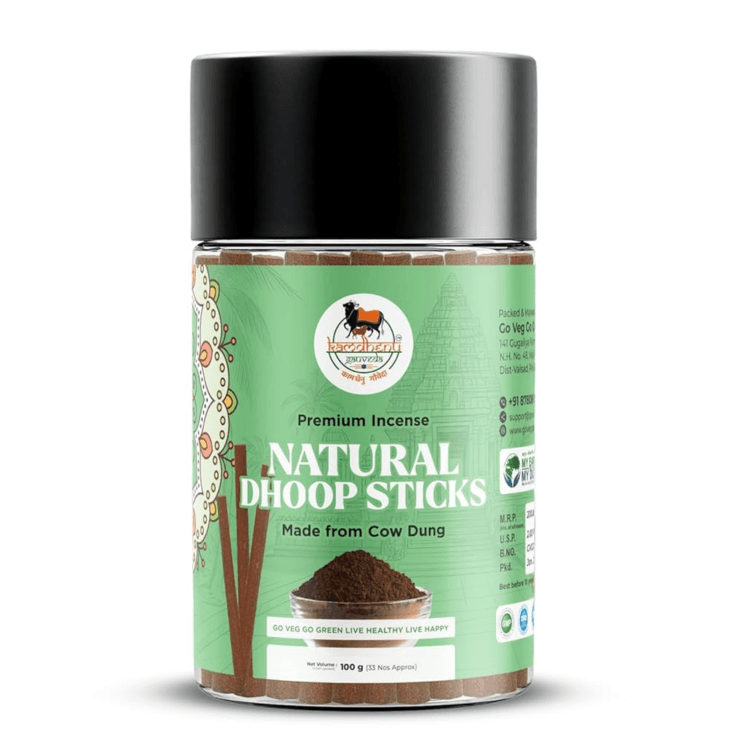
Natural dhoop Sticks (Cow Dung)
₹170.00₹260.0035% off
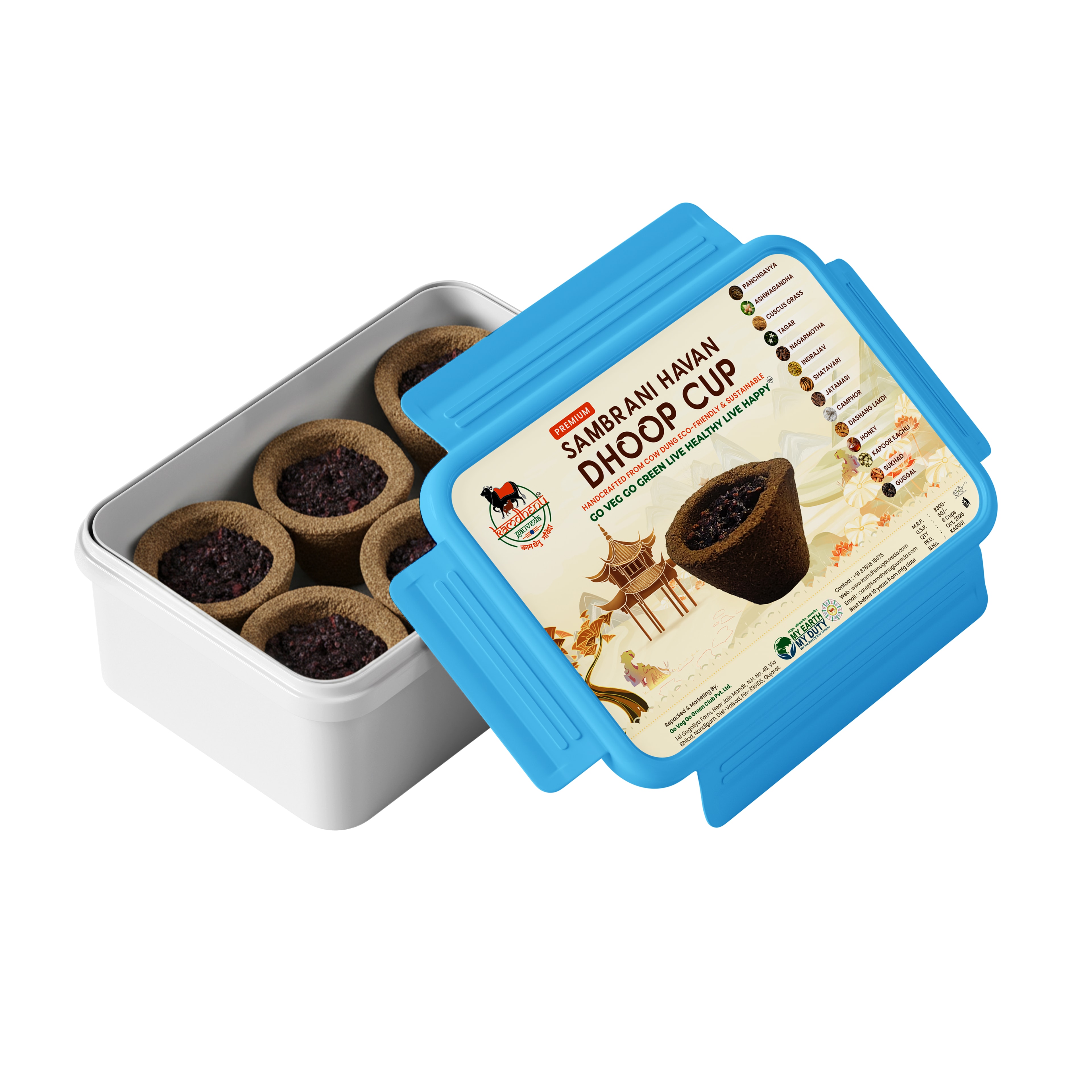
Sambrani Havan Dhoop Cup
₹170.00₹260.0035% off