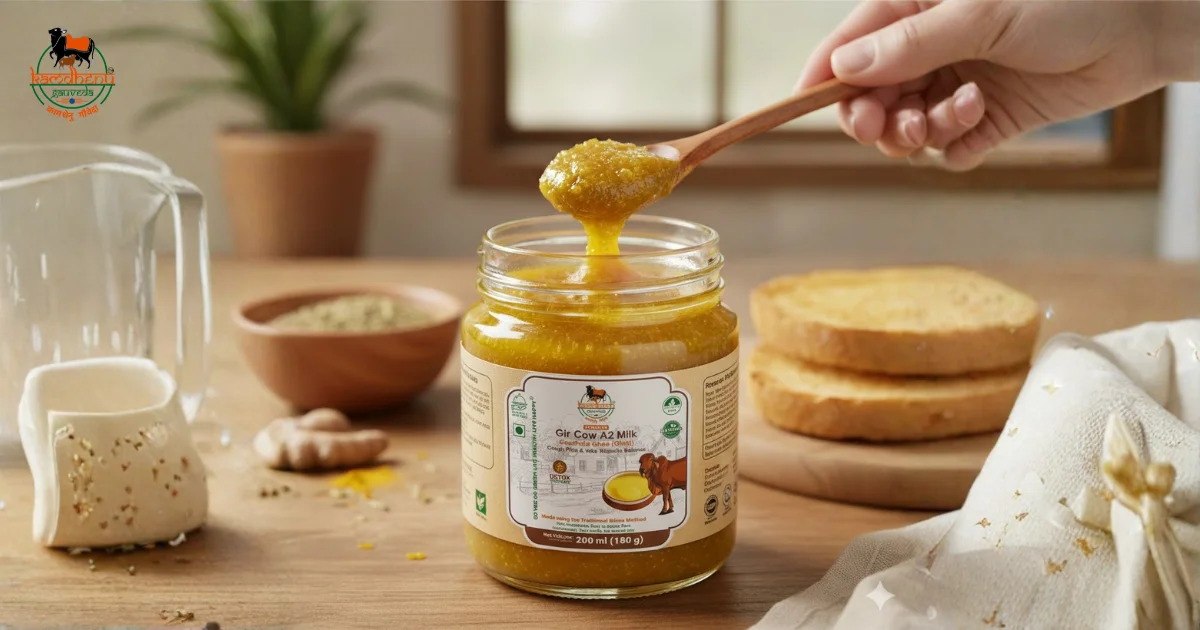
Many people assume clarified butter and ghee are identical — but this misunderstanding could be silently affecting your digestion, cholesterol levels, and overall health.
While both look similar, their preparation, nutritional impact, and role in traditional diets are dramatically different. So before you use them interchangeably, it’s important to understand which one truly deserves a place in your kitchen.
Are Clarified Butter and Ghee the Same?
No — clarified butter and ghee are not exactly the same. Both are forms of butterfat, but ghee is cooked longer to remove moisture and caramelize milk solids, giving it a richer flavor, better digestibility, and traditional Ayurvedic value.
What Is Clarified Butter?
Clarified butter is made by heating butter until the milk solids (proteins and sugars) separate from the fat. The solids are removed, leaving behind pure butterfat.
Key characteristics of clarified butter:
Made by melting butter directly
Milk solids are strained out
Neutral taste and aroma
Commonly used in Western cooking
Higher smoke point than butter
Clarified butter is mainly a cooking fat, not a wellness food.
How Clarified Butter Is Made
Unsalted butter is slowly heated
Milk solids rise to the top
Solids are skimmed off
Clear fat is strained and stored
This process increases the smoke point and shelf life compared to regular butter.
What Is Ghee?
Ghee is a traditional Indian food that has been used for thousands of years in Ayurveda, cooking, and rituals. Unlike clarified butter, ghee is made from curd (not butter) and follows a slower, more traditional process.
Clarified Butter vs Ghee: Key Differences Explained
Feature
Clarified Butter
Ghee
Cooking time
Short
Longer
Milk solids
Removed early
Browned & removed later
Flavor
Mild, buttery
Nutty, rich
Aroma
Neutral
Strong, aromatic
Smoke point
~230°C
~250°C
Shelf life
Moderate
Long (no refrigeration)
Traditional use
Western cooking
Indian & Ayurvedic use
Although ghee belongs to the clarified butter family, traditional Bilona ghee undergoes a deeper cooking process that enhances its flavor, aroma, and digestibility.
Clarified Butter vs Ghee: Nutritional Difference
Both contain healthy fats, but ghee offers additional benefits due to fermentation and slow processing.
Ghee contains:
Fat-soluble vitamins A, D, E & K
Natural antioxidants
Short-chain fatty acids
Butyric acid (supports gut health)
Clarified butter mainly provides:
Calories
Fat
Energy
Ghee is not just a cooking fat — it has long been valued in traditional diets.
Clarified Butter vs Ghee: Which Is Healthier?
If your goal is just high-heat cooking, clarified butter works fine.
But if you want:
Better digestion
Daily consumption
Ayurvedic benefits
Traditional Indian diet support
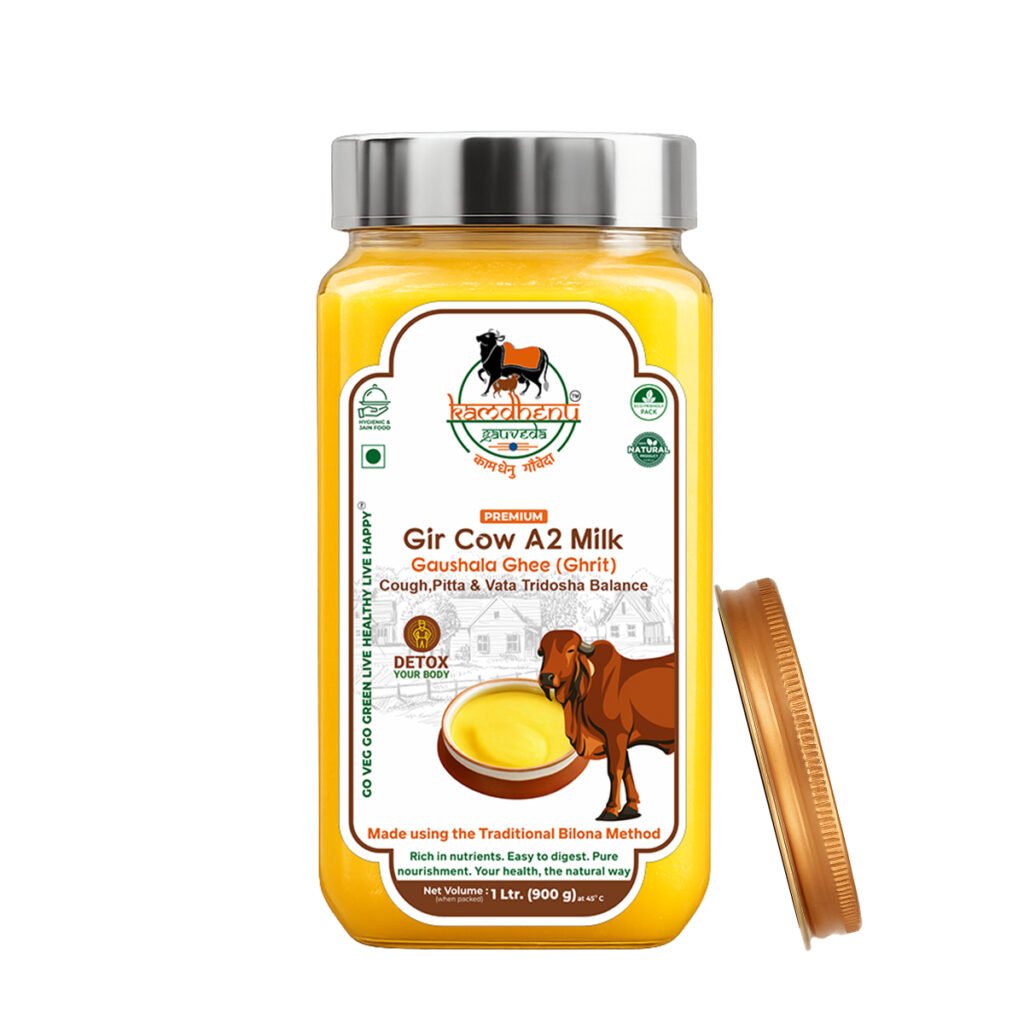
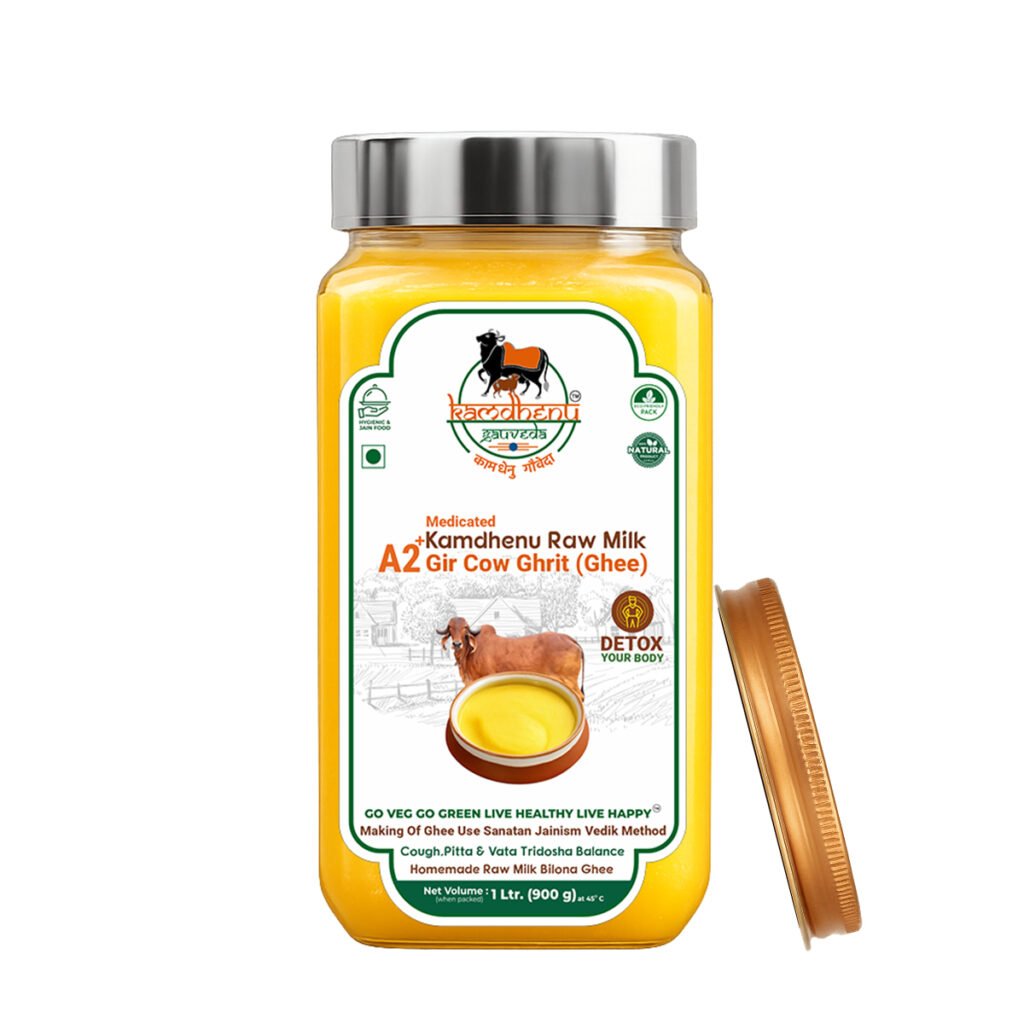
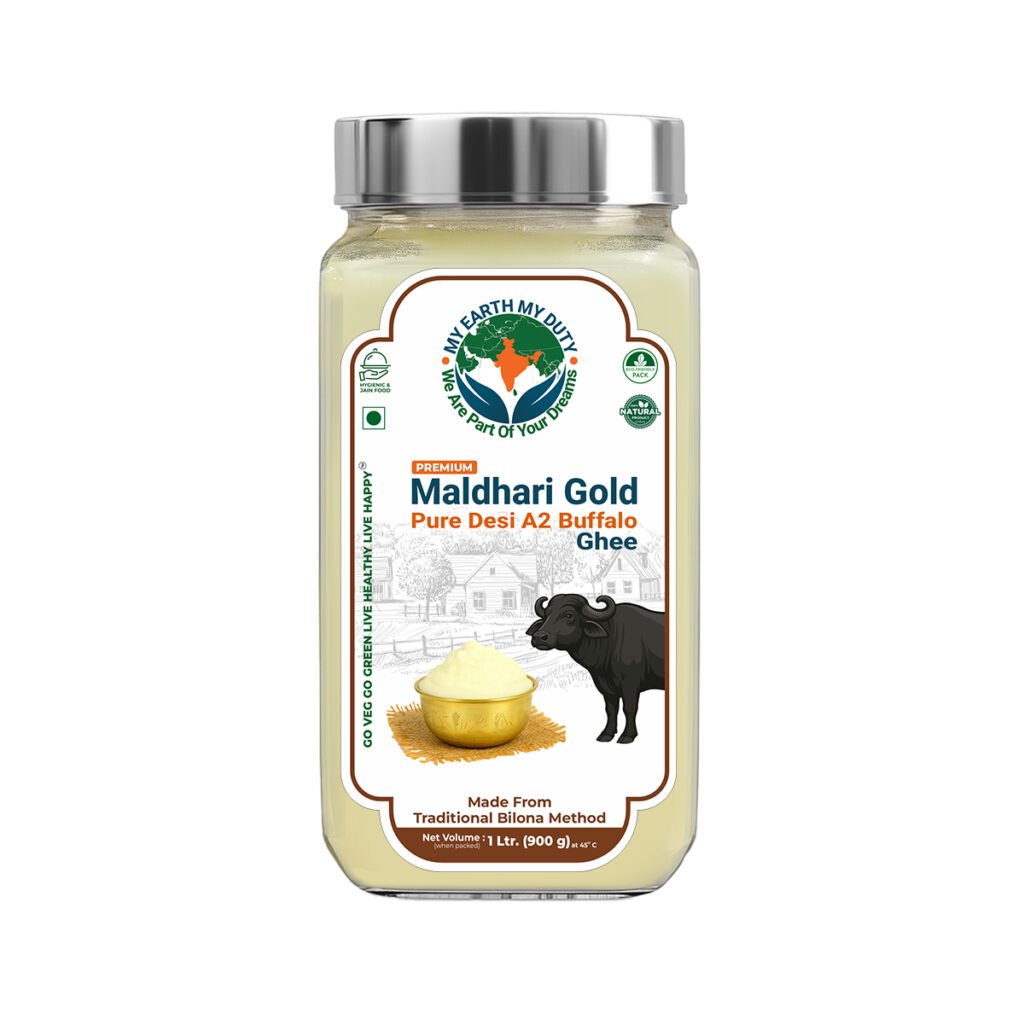
If you’re looking for traditionally prepared A2 Bilona ghee that supports digestion and everyday wellness, you can explore our freshly crafted ghee here “A2 Ghee“.
Clarified Butter vs Ghee for Indian Cooking
For Indian food, ghee is clearly superior because:
It enhances flavor of dals, rotis, and sabzis
It supports digestion of spices
It has cultural and ritual significance
Clarified butter is better suited for:
Baking
Western dishes
Neutral-taste recipes
Clarified Butter vs Ghee in Ayurveda
In Ayurveda:
Ghee is considered sattvic
It balances Vata and Pitta
Used as a carrier (anupan) for herbs
Clarified butter has no Ayurvedic role.
Is Ghee Lactose-Free?
Ghee is naturally very low in lactose because the milk solids are removed during the slow heating process. This makes it easier to digest for many people compared to regular butter.
Traditional Bilona ghee undergoes fermentation during the curd stage, which may further reduce residual milk sugars. However, individuals with severe dairy allergies should consult a healthcare professional before consuming any milk-derived product.
Does Ghee Increase Cholesterol?
When consumed in moderation, ghee does not necessarily harm cholesterol levels for healthy individuals. In fact, it contains beneficial fatty acids such as butyric acid that support gut health.
Like any fat, excessive intake can contribute to weight gain, so portion control is key.
Ghee vs Butter vs Clarified Butter
Understanding the difference between butter, clarified butter, and ghee helps you choose the right fat for both cooking and long-term health.
Feature
Butter
Clarified Butter
Ghee
Lactose/Casein
High
Trace/None
Virtually None
Smoke Point
175°C
230°C
250°C
Flavor
Creamy
Neutral
Nutty, Aromatic
Shelf Life
Refrigerated
Months
Long shelf life (when stored properly)
Ayurveda Use
None
None
Sattvic, Balances Doshas
Butter suits spreading; clarified for neutral frying; ghee excels in Indian wellness.
Why Ayurveda Recommends Ghee
In Ayurveda, ghee is considered a sattvic food — believed to support digestion, nourish tissues, and enhance nutrient absorption. It has traditionally been used as a carrier for herbal preparations.
Common Misconception: “Ghee Is Just Clarified Butter”
This confusion exists because:
Western definitions oversimplify ghee
Industrial ghee is often machine-made
Traditional Bilona ghee is rarely explained properly
Traditional ghee ≠ factory ghee ≠ clarified butter
Which One Should You Choose?
Choose clarified butter if:
You only need a neutral cooking fat
You follow Western recipes
Taste and tradition don’t matter much
Choose ghee if:
You want daily wellness benefits
You follow Indian or Ayurvedic diet
You need better digestion and immunity support.
Final Verdict: Ghee or Clarified Butter?
While both have their place in the kitchen, the choice ultimately depends on your cooking style, dietary preferences, and health goals. If you prioritize tradition, flavor, and digestibility, ghee often stands out as the preferred option in Indian diets.
FAQs: Clarified Butter vs Ghee
What is clarified butter called in India?
Clarified butter is commonly referred to as ghee, but traditionally made ghee is more than just clarified butter.
Is clarified butter lactose-free?
Yes, most lactose and milk proteins are removed during clarification.
Is ghee better than clarified butter?
Yes, especially traditional A2 ghee made from curd, as it offers better digestion and nutritional value.
Can clarified butter replace ghee?
In cooking, yes. In Ayurveda and daily health routines, no.