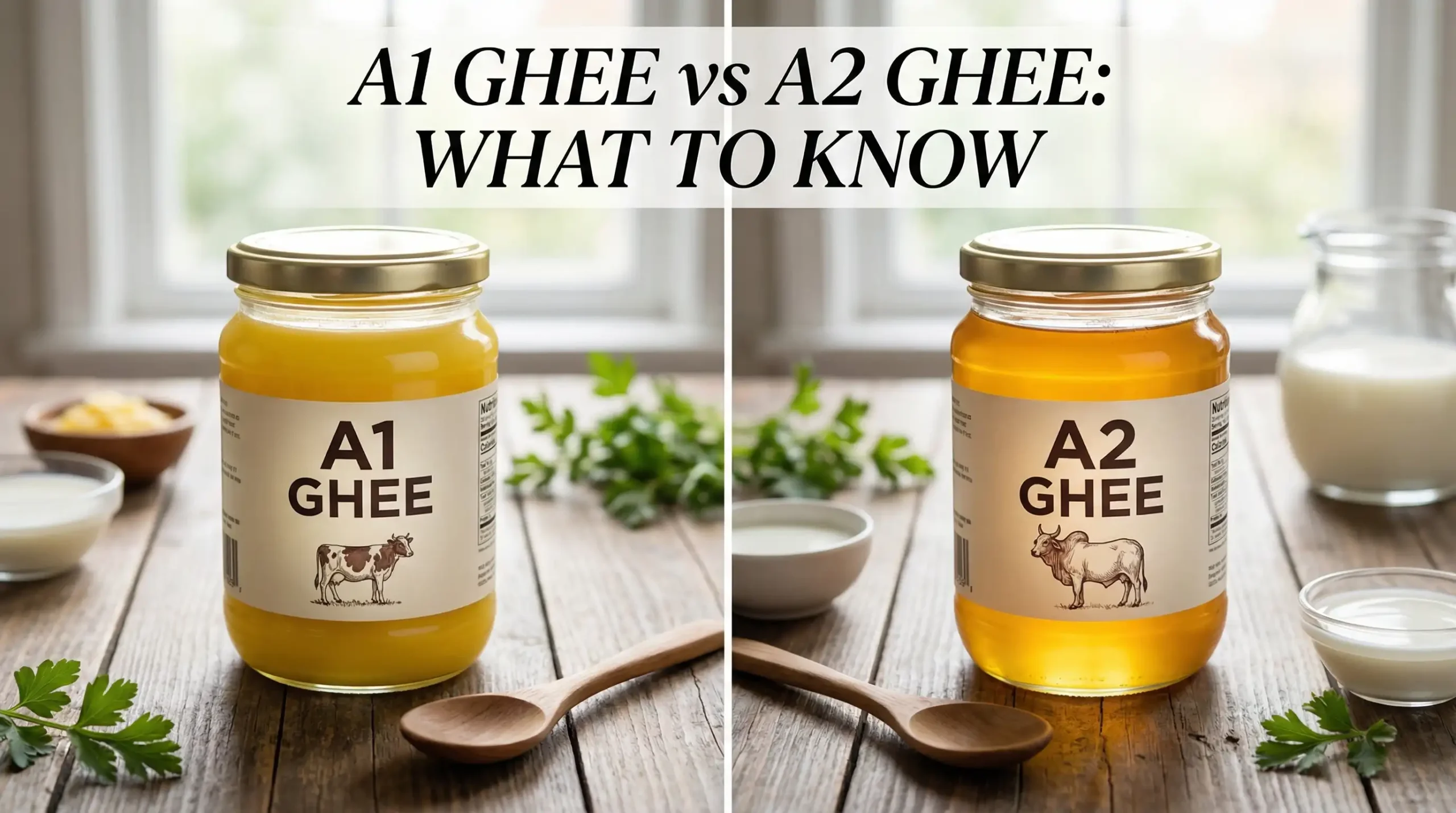
My grandmother used to say, “Real ghee smells like home.” I grew up watching her churn butter from curd every week—wooden churner moving clockwise and anti-clockwise. That ghee had texture, aroma, and taste that no store-bought ghee could match.
Fast forward to 2026: everyone is talking about A1 and A2 ghee. WhatsApp groups flood with forwards claiming A2 ghee cures everything, while some friends dismiss it as marketing hype. Naturally, I researched… and tested ghee myself. Here’s what I found.
Note: Ghee is ~99.5% fat. Most milk proteins are removed during clarification. The A1/A2 difference is subtle but noticeable for some, especially in digestion and taste.
Why A2 Ghee Became Popular
Rising Health Awareness – People want to know what they consume.
Digestive Concerns – Bloating, acidity, and IBS make A2 ghee appealing.
Cultural Nostalgia – Traditional, desi foods are back in trend.
Scientific Backing – Research on A1 vs A2 milk gave credibility.
How I Tested Different Ghees
I bought five brands: 2 A1, 3 A2. Here’s what I observed:
1. Texture Test
Bilona A2 ghee: Slightly grainy (authentic).
Commercial A2: Smooth as butter — likely industrially processed.
2. Aroma Test
Authentic A2: Rich, nutty, almost sweet aroma.
Commercial A2: Mild aroma, pleasant but not strong.
3. Digestion Test
Regular ghee: Slight bloating after 2–3 tsp.
Authentic A2: Zero issues, even in larger amounts.
Your gut can sometimes tell the truth before science does!
What Matters More Than A1/A2 Labels
1. Preparation Method
Bilona method (traditional) preserves nutrients and taste.
The industrial method is faster but loses trace nutrients.
Brands with their own gaushalas or verified farms produce superior ghee.
3. Transparency & Testing
FSSAI license
Third-party lab reports
Exact cow breed mentioned
If a brand is vague, beware.
Price Reality Check
Ghee Type
Price per kg
Why?
Regular A1
₹400–700
Mass production, crossbred cows
Basic A2
₹800–1,000
A2 milk, industrial process
Premium Bilona A2
₹1,200–1,600
Indigenous cows, traditional churning, small batch
Tip: Many families compromise — premium A2 for direct consumption (rituals, feeding toddlers), good A1 for daily cooking. Health + budget balance.
Red Flags When Buying Ghee
🚩 “Pure desi cow ghee” without breed 🚩 A2 ghee under ₹700/kg 🚩 No FSSAI or manufacturing details 🚩 Too smooth texture (real bilona slightly grainy) 🚩 Overpromising health claims
Recommended Ghee Brands (Trusted & Authentic)
When choosing ghee, quality and authenticity matter more than fancy labels. Here are some brands that stand out for taste, preparation, and transparency:
Premium A2 / Traditional Ghee
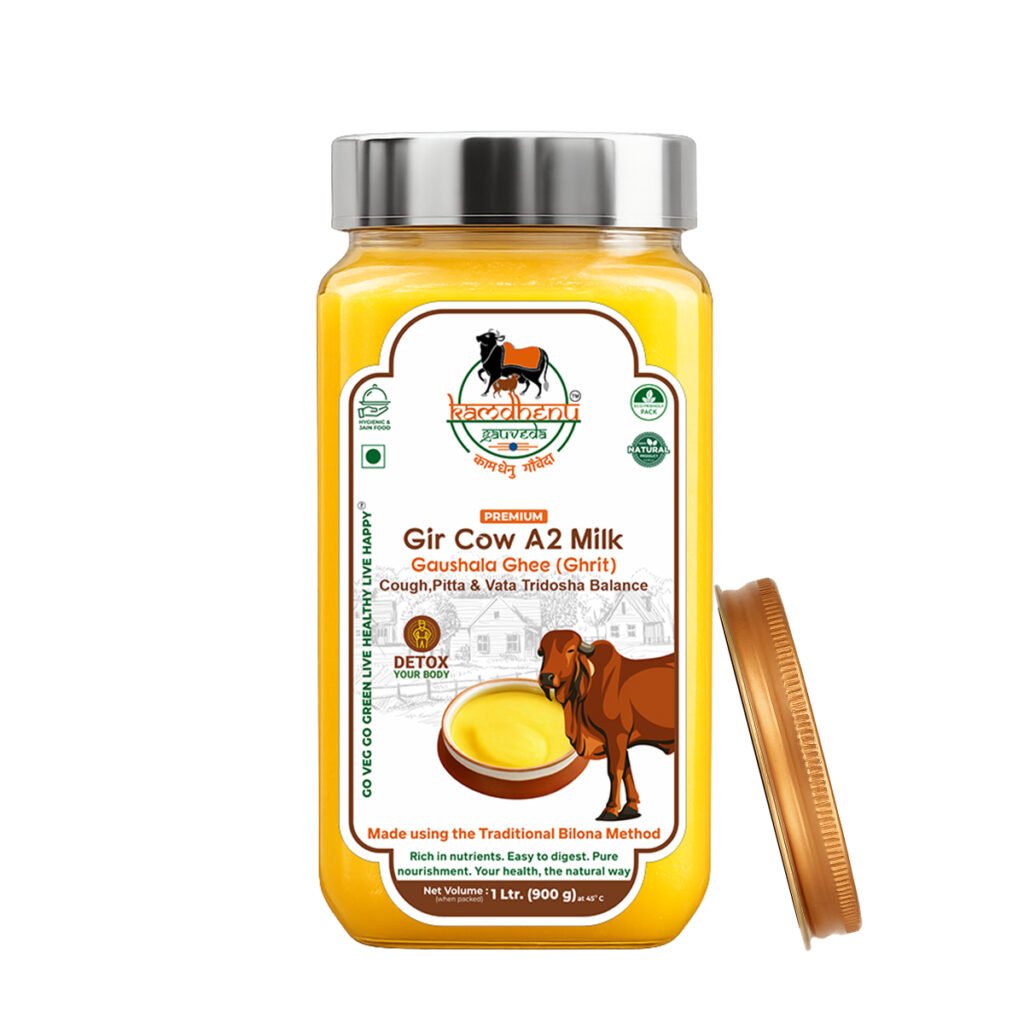
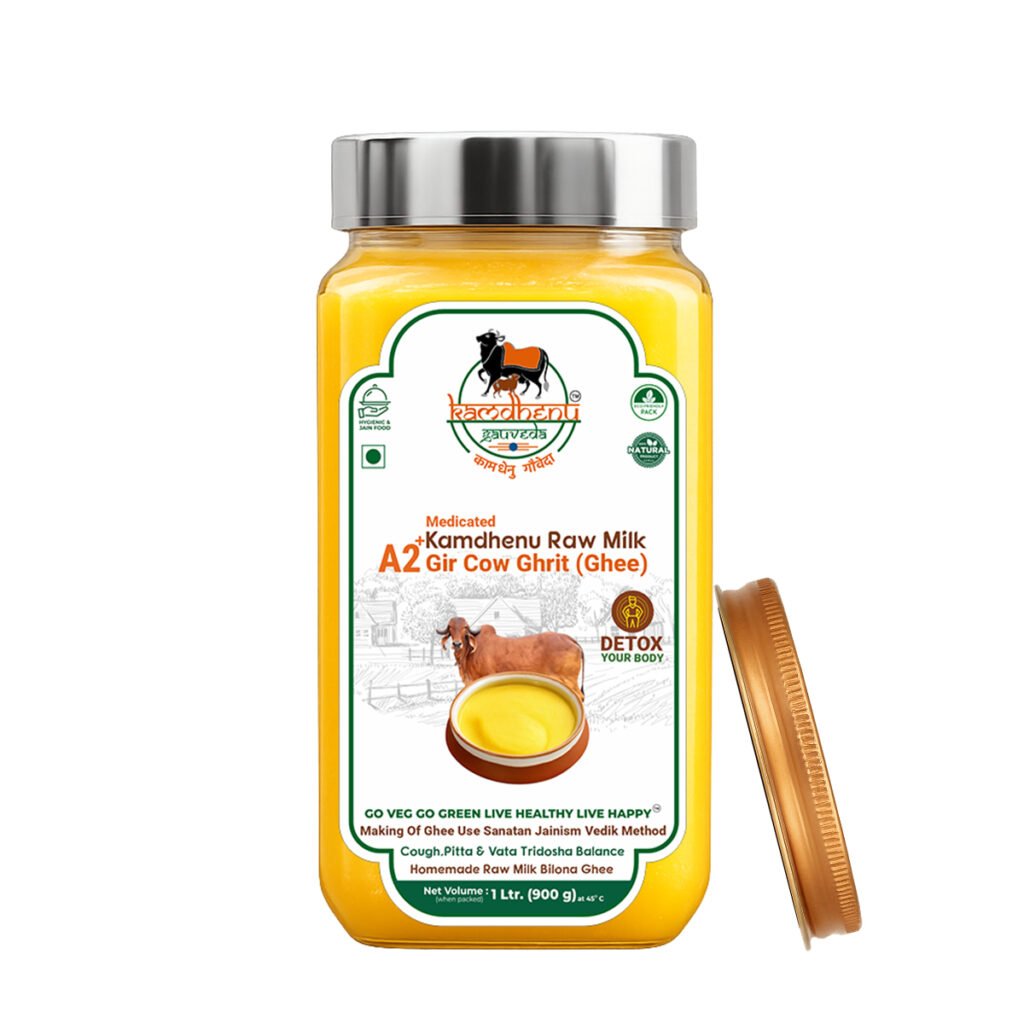
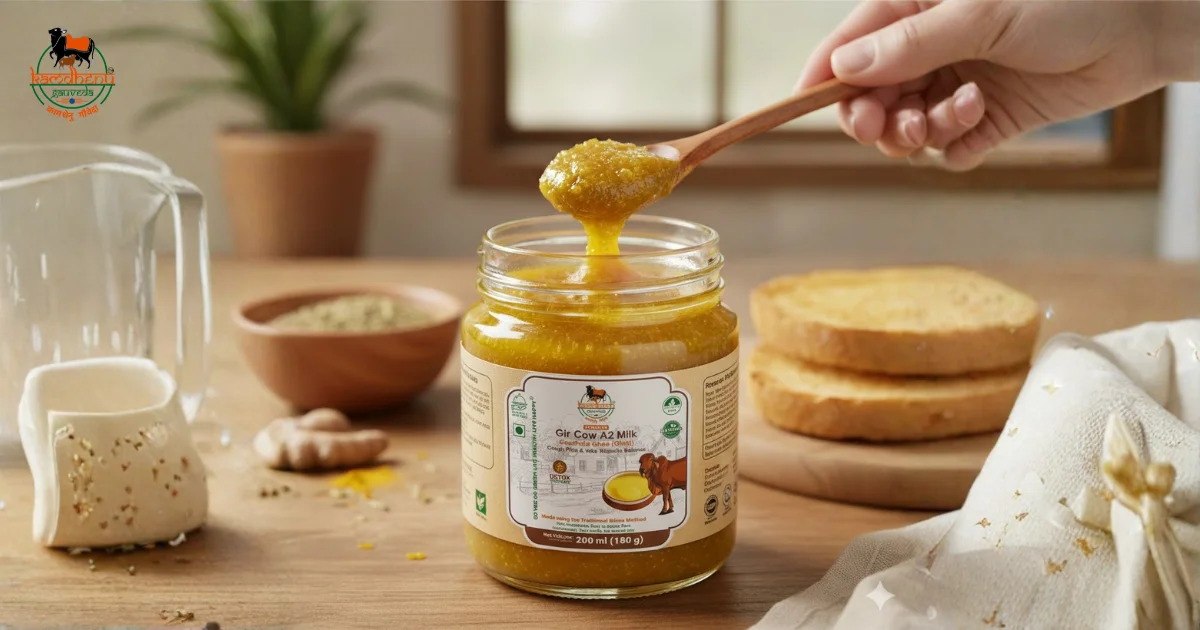
Kamdhenu Gauveda – Offers A2 ghee from Gir cows and other indigenous breeds, often handcrafted using the traditional bilona method. Known for rich aroma, authentic flavor, and natural processing.
Two Brothers Organic Farms – Produces A2 ghee using grass-fed Gir cow milk and traditional bilona churning. Natural, additive-free, and third-party tested for quality.
Budget-Friendly & Daily Use Options
Patanjali Cow Ghee – Widely available traditional cow ghee, suitable for everyday cooking and general use.
Local Dairy Cooperatives – Many regional cooperatives produce fresh, authentic ghee at affordable prices. These can be an excellent option if you have a trustworthy local source.
Tips for Choosing the Best Ghee:
Look for bilona or traditional churning methods for authenticity.
Verify the cow breed if it’s labeled as A2.
Check for FSSAI certification or third-party lab reports.
Avoid brands that make unverified health claims or provide vague sourcing information.
Storage Tips
Use glass or steel containers, avoid plastic.
Store in a cool, dark place (fridge only if 35°C+).
Always use a clean, dry spoon.
Graininess in cold ghee is normal — warm slightly before use.
The best ghee is the one that makes your food taste like home and keeps your family happy and healthy.
FAQs About A1 ghee Vs A2 Ghee
Q.1 Will A2 ghee make me healthier overnight?
No. But digestive comfort, subtle nutrient benefits, and traditional taste improve well-being over time.
Q.2 Can I give A2 ghee to my baby?
After 8 months, introduce slowly (¼ tsp in khichdi). Always consult your pediatrician.
Q.3 Does it really taste different?
Yes! Authentic bilona A2 ghee tastes rich and nutty. Commercial ghee is fine but not memorable.
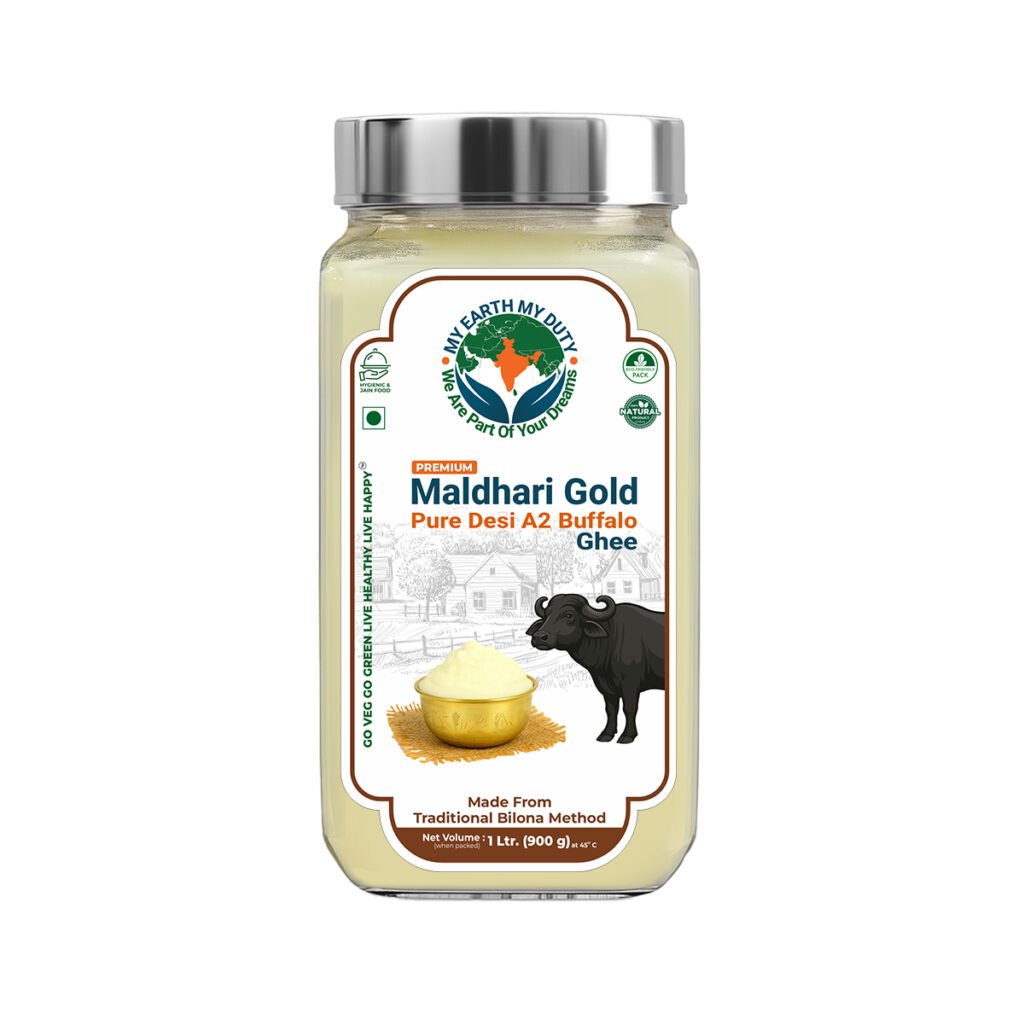
Q.4 Is buffalo ghee A2?
Buffalo milk has A2 protein, but “A2 ghee” typically refers to desi cow ghee due to Ayurvedic significance.
Q.5 Is A1 ghee better than A2?
There is no clear scientific proof that A1 ghee is harmful for everyone. However, A2 ghee is often preferred by people with sensitive digestion or those following traditional Ayurvedic diets because it comes from indigenous cow milk and is believed to be easier to digest.
Q.6 Is Amul ghee A1 or A2?
Amul ghee is generally made from mixed cow milk, which may include A1 milk. It is not marketed or certified as A2 ghee, so it should be considered regular cow ghee, not pure A2.
Q.7 Is A1 ghee good for health?
Yes, A1 ghee can be healthy when consumed in moderation. It provides energy, supports vitamin absorption (A, D, E, K), and works well for daily cooking. People who do not face digestive issues usually tolerate A1 ghee without problems.