








Blog
What Is Ghee? Benefits, Nutrition, Uses, Risks & How Much You Should Eat
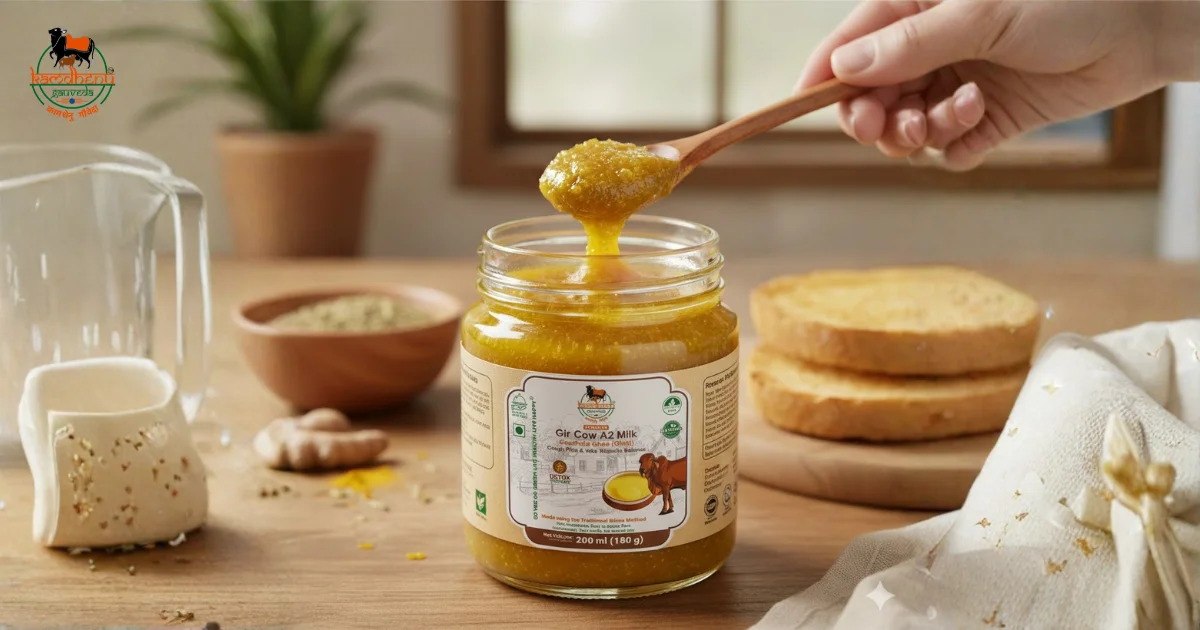
Ghee is a type of clarified butter made by gently heating butter to remove water and milk solids, leaving behind pure butterfat. Known for its rich aroma, high smoke point, and long shelf life, ghee has been used in Indian cooking and Ayurvedic practices for thousands of years.
Unlike regular butter, properly prepared ghee contains almost no lactose or casein, making it easier to digest for many people. Today, ghee is gaining global popularity as a versatile cooking fat that supports flavor, nutrition, and high-temperature cooking. This article is based on publicly available research and nutritional data.
What Is Ghee Made From?
Traditional ghee is made from cow’s milk butter. The butter is slowly simmered until moisture evaporates and the milk solids separate and settle. The golden liquid that remains is filtered to produce ghee.
Because it is nearly pure fat, ghee is naturally stable and does not spoil quickly when stored properly.
How Ghee Originated in India
Ghee dates back to the Vedic period and has long been considered a symbol of nourishment and purity. Historically, it was used in:
- Ayurvedic preparations
- Traditional cooking
- Religious rituals
- Healing therapies
Ancient households discovered that converting butter into ghee increased its shelf life — an important advantage in India’s warm climate. Over time, it became one of the most respected cooking fats in Indian culture.
How Is Ghee Made? (Traditional vs Modern Methods)
1. Traditional Bilona Method (Highest Purity)
The bilona method is one of the oldest techniques used to prepare ghee. It typically involves:
Fresh milk → curd formation → hand-churning to obtain butter → slow heating to produce ghee.
Slow cooking enhances the aroma and allows the fat to develop its characteristic nutty flavor.
👉 For a deeper understanding of the process, you can read our detailed guide on the bilona method.
2. Commercial Clarified Butter Method
In large-scale production, ghee is often made by directly heating cream or butter and separating the solids quickly. While this method produces usable ghee, traditional slow preparation is often preferred for its richer taste and texture.
What Does Ghee Taste Like?
Ghee has a warm, nutty, slightly sweet flavor.
Because all water evaporates during preparation, its taste becomes:
- richer than butter
- more aromatic
- more intense in depth
A2 ghee and desi ghee usually have a more prominent aroma because of better-quality milk and slow cooking.
Nutritional Value of Ghee (Per 1 Tablespoon)
| Nutrient | Amount |
| Calories | 120 |
| Total Fat | 14g |
| Saturated Fat | 9g |
| Vitamin A | High |
| Vitamin E | Present |
| Omega fatty acids | Small amounts |
| Lactose / Casein | Almost zero |
Ghee contains fat-soluble nutrients such as Vitamin A, which plays an important role in vision and immune function (NIH).
Is Ghee Healthy?
When consumed in moderation, ghee can be part of a balanced diet. It contains fats that help with nutrient absorption and provides energy for the body. Additionally, its high smoke point (around 230–250°C) makes it more stable during cooking compared to many refined oils. However, like any fat, excessive intake may increase overall calorie consumption. Balance is key.
Potential Health Benefits of Ghee
1. May Support Digestive Health
Ghee has traditionally been used in Ayurveda to promote comfortable digestion. It also contains butyrate — a short-chain fatty acid associated with gut health.
2. Helps With Nutrient Absorption
Fat-soluble vitamins such as A and E require dietary fat for proper absorption. Including small amounts of ghee in meals may assist this process.
3. Ideal for High-Heat Cooking
Because ghee is highly stable at high temperatures, it is less likely to break down during cooking.
4. Provides Long-Lasting Energy
Fats digest more slowly than carbohydrates, helping you feel satisfied for longer.
5. Naturally Lactose-Low
Properly prepared ghee contains minimal lactose, which some lactose-sensitive individuals find easier to tolerate.
To understand these advantages in detail, explore the complete guide on Desi Cow Ghee Benefits.
Are There Any Risks of Eating Ghee?
For credibility, every health food should be viewed with balance.
- Ghee is calorie-dense. Overconsumption may contribute to weight gain.
- It is high in saturated fat, so people managing cholesterol should consult a healthcare professional about appropriate intake.
- Portion control is important for maintaining a balanced diet.
Including both benefits and limitations helps you make informed dietary choices.
Does Ghee Increase Cholesterol?
Research on saturated fats continues to evolve. While ghee does contain saturated fat, overall heart health depends on total diet, lifestyle, and genetics.
Moderate consumption within a balanced diet is generally considered acceptable for most healthy individuals, but those with existing heart concerns should seek medical guidance.
According to the American Heart Association, moderation is important when consuming saturated fats.
Who Should Eat Ghee?
Ghee may be suitable for:
- Individuals needing a stable cooking fat
- People looking to enhance flavor naturally
- Those following traditional or whole-food diets
- Active individuals needing energy-dense foods
Who Should Limit or Avoid Ghee?
You may need personalized advice if you:
- Have been recommended a low-fat diet
- Are managing heart conditions
- Need strict calorie control
When in doubt, consult a qualified nutrition professional.
How Much Ghee Should You Eat Daily?
For most adults, 1–2 teaspoons per day is typically sufficient to enjoy flavor and benefits without excessive calorie intake. Dietary needs vary based on activity level, health goals, and overall fat consumption.
Best Ways to Use Ghee in Daily Cooking
Ghee is extremely versatile and can be used for:
- Tadka and sautéing
- Roasting vegetables
- Spreading on rotis
- Preparing traditional sweets
- Enhancing dal and khichdi
Its aroma often elevates even simple meals.
Types of Ghee
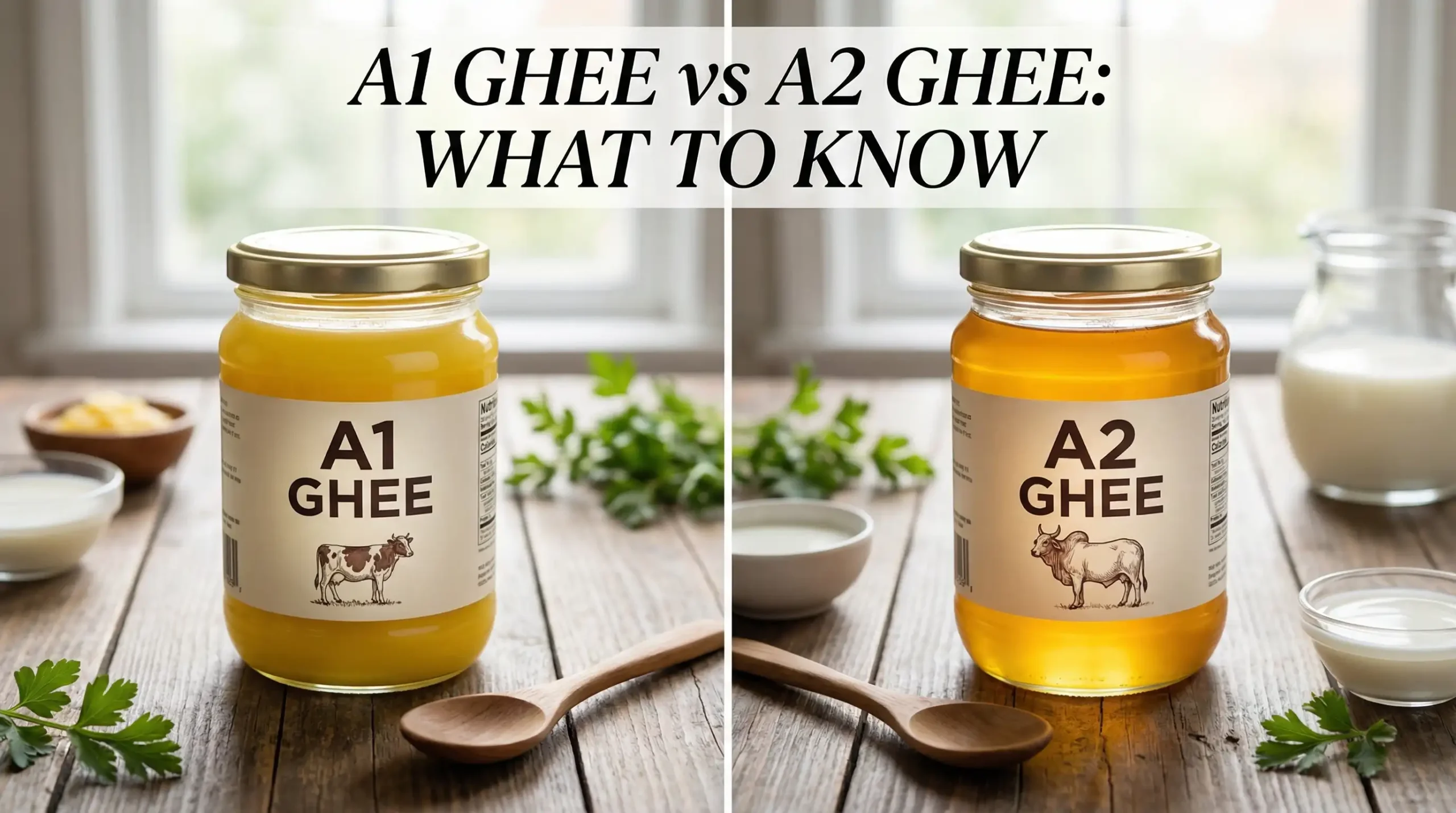
1. A2 Ghee – Made fromdesi cow milkcontaining A2 protein. Easy to digest.
2. Bilona Ghee – Traditional curd-churned method. Purest and richest in nutrients.
3. Cultured Ghee – Made from curd, not cream. Good for gut health.
4. Cow Ghee – Yellowish, aromatic, widely used in Indian homes.
5. Buffalo Ghee – Whiter and thicker, with a stronger flavour.
Also Read:How to Detect Ghee Adulteration at Home?
Ghee vs Butter: What’s the Real Difference?
| Category | Ghee (Desi / A2 Ghee) | Butter |
| Basic Definition | Pure clarified butter (no water/milk solids) | Cream churned into a solid with water + milk solids |
| Lactose / Casein | Almost zero (lactose-friendly) | Contains lactose & casein |
| Fat Content | ~99% healthy fats | ~80% fat |
| Water Content | 0% | ~16–18% |
| Smoke Point | High (230–250°C) → Best for cooking | Low (~150°C) → Burns quickly |
| Digestibility | Easier to digest, gut-friendly | May cause heaviness for some people |
| Taste | Rich, nutty, aromatic | Creamy, mild |
| Shelf Life | Long; no refrigeration needed | Short; needs refrigeration |
| Best For | Everyday Indian cooking, frying, Ayurveda | Spreading, baking |
| Nutritional Strength | Improves digestion, supports immunity | Provides flavor & basic vitamins |
Final Thoughts
Ghee is more than just a cooking fat — it is a time-honored ingredient valued for its flavor, stability, and cultural significance. When used thoughtfully and in moderation, it can complement a nutritious and balanced lifestyle. Understanding its benefits, limitations, and proper usage allows you to make smarter dietary choices while enjoying its rich taste.
FAQs
Ghee is clarified butter made by heating butter to remove water and milk solids, leaving pure fat.
A2 ghee comes from desi cows that produce A2 protein. It’s easier on the stomach and richer in nutrients.
For many people, yes. Ghee has no lactose, digests better, and has a higher smoke point, making it safer for cooking. Butter is good too, but ghee is often preferred for digestion, immunity, and traditional Indian cooking.
When consumed in moderation, ghee helps metabolism and reduces cravings.
Ghee is clarified butter. Butter contains milk solids and moisture, while ghee is pure fat made by heating butter to remove those solids. This makes ghee richer, more aromatic, and easier to digest.
Yes. Good-quality ghee contains almost no lactose or casein.
1–2 teaspoons per day is enough for most adults.
This content is for informational purposes and is not medical advice.
Top Rated Products

Latest Post